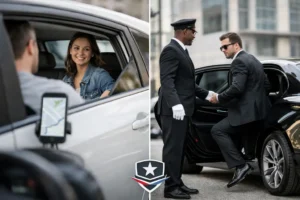


A board meeting can recover from a delayed agenda. A client dinner can survive a last-minute seating change. What tends to leave a lasting impression, for better or worse, is how people move. Meetings and events transportation is often treated like a back-end detail until an executive is waiting curbside, a keynote speaker is calling from the wrong entrance, or a VIP guest arrives already frustrated.
For companies, family offices, entertainment teams, and private hosts, transportation is not just about getting people from one address to another. It affects timing, security, privacy, mood, and the overall standard of the event. When the audience is high-level and expectations are non-negotiable, transportation becomes part of the experience itself.
Why meetings and events transportation matters more than most planners expect
The obvious role is logistics. Guests need to arrive on time, departures need to be orderly, and routes need to account for traffic, venue access, and schedule changes. But the less obvious role is brand protection. If an event is polished inside the venue and disorganized outside of it, the disconnect is immediate.
This is especially true for executive meetings, investor events, entertainment functions, luxury private gatherings, and multi-day corporate programs. A transportation plan signals whether the host understands pressure, pace, and discretion. Professional movement creates calm. Poor coordination creates visible friction.
There is also a practical financial side. Delays can compress speaking windows, push labor costs higher, trigger overtime at venues, and complicate security staffing. In some cases, one missed pickup can disrupt the order of the entire program. Transportation may sit in one line of the budget, but its impact reaches every line around it.
Meetings and events transportation is not the same as booking cars
This is where many organizations underestimate the assignment. Booking a few vehicles is easy. Managing meetings and events transportation for executives, VIPs, presenters, clients, and support staff requires a very different level of oversight.
A proper plan starts with movement strategy. Who needs privacy? Who can share a vehicle? Who requires meet-and-greet support? Which arrivals are visible and which should stay low-profile? Does the event need airport coverage, hotel transfers, venue shuttles, standby chauffeurs, or as-directed service throughout the day?
Then there is the question of timing. Not every guest should arrive at the same moment, and not every departure should follow the published event end time. Senior leadership may need a private early exit. A host may need a vehicle held discreetly offsite. Talent, family principals, or high-profile guests may need alternate routing and controlled access points.
That level of coordination is closer to concierge logistics than standard car service. The difference shows up in how quietly the day runs.
What a premium transportation plan should include
The strongest transportation plans are built around the event itself, not around whatever fleet happens to be available. That means starting with the guest list, run-of-show, venue layout, security profile, and service expectations.
Vehicle selection matters, but not in the superficial sense. A luxury sedan may be the right choice for one-on-one executive movement where discretion and speed are priorities. SUVs may be better for teams with luggage, security accompaniment, or less predictable routing. Sprinters, mini coaches, or larger group vehicles may be necessary when efficiency matters more than exclusivity. The best option depends on the guest profile and the pace of the event.
Chauffeur quality is just as important. A polished vehicle cannot compensate for poor communication, weak situational awareness, or casual service standards. For high-touch events, chauffeurs should understand timing discipline, guest etiquette, confidentiality, route management, and venue coordination. They are often the first and last point of contact your guests experience.
Centralized communication also matters. Transportation fails when updates live in too many places or pass through too many hands. One point of coordination, real-time dispatch visibility, and direct communication between the transportation team and the event lead can prevent small adjustments from becoming visible problems.
The trade-offs planners need to think through early
Not every event needs the highest level of transportation support. The right plan depends on the stakes.
If the event is a large conference with broad attendee movement, efficiency may outrank personalization. Shared shuttle systems and structured pickup windows can make sense. If the event is a C-suite retreat, private equity meeting, confidential legal gathering, or celebrity-adjacent function, privacy and controlled movement usually matter far more than maximum throughput.
There is also a trade-off between consolidation and flexibility. Tight schedules often benefit from dedicated vehicles and standby time, but that approach costs more than tightly sequenced pickups. On the other hand, cutting standby time too aggressively can leave no margin for traffic, schedule drift, or venue bottlenecks. Premium service is partly about preserving options when the day changes shape.
Security is another variable. Some clients need a transportation partner that can work in sync with executive protection or estate-level security protocols. Others simply need polished service and dependable arrivals. Both are valid, but they require different planning assumptions.
Common failure points in meetings and events transportation
Most transportation problems are predictable. The issue is that they are often addressed too late.
One common mistake is treating airport arrivals as simple pickups. For VIP guests, arrivals can involve changing flight times, private aviation coordination, baggage handling, security preferences, and communication with assistants or family office staff. If those details are missing, the first impression of the event starts under pressure.
Another issue is venue access. A beautiful property can still be difficult to work if the loading zone is small, the valet flow is congested, or the guest entrance is not the same as the service entrance. Transportation planning should account for actual curb conditions, not just the address in the invitation.
Schedule optimism causes problems too. Event timelines often look cleaner on paper than they feel in real life. Guest conversations run long. Photos take longer than expected. Security pauses movement. Weather changes entrance patterns. A transportation plan needs breathing room without looking excessive.
Then there is the vendor gap. If the transportation provider, event planner, venue team, and security detail are not aligned, guests feel the seams immediately. White-glove service depends on those teams operating as one coordinated system.
A better standard for executive and VIP movement
For discerning clients, transportation should feel controlled, quiet, and personal. That does not mean flashy. In many high-level environments, the best service is intentionally understated.
What clients usually want is simple to describe and difficult to deliver consistently. They want chauffeurs who arrive early, vehicles that are impeccably presented, routing that anticipates conditions, and communication that is proactive without being intrusive. They want discretion when names matter, flexibility when schedules shift, and confidence that every guest will be treated to the same exacting standard.
This is where a concierge-minded approach makes a real difference. Transportation should not operate in isolation from the wider event. If an executive needs an airport transfer, hotel arrival support, dinner movement, and a secure late-night departure, those details should connect naturally. If a host needs additional vehicles, private aviation support, security coordination, or last-minute lifestyle assistance, one trusted point of contact is far more effective than stitching together multiple vendors under pressure.
For clients in markets such as Los Angeles, Malibu, Newport Beach, New York, or London, that coordination becomes even more valuable because the variables are greater. Traffic, security exposure, timing sensitivity, and guest expectations all rise quickly in those environments.
Choosing the right partner for meetings and events transportation
The best transportation partner is not necessarily the one with the biggest fleet or the lowest quote. It is the one that understands service hierarchy, risk, hospitality, and timing at the same level you do.
Ask how they manage live changes. Ask who is overseeing dispatch. Ask how chauffeurs are screened and trained. Ask whether they can support both visible guest transportation and discreet executive movement within the same program. Ask how they coordinate with security teams, private aviation schedules, and venue staff.
Most of all, look for a provider that sees transportation as part of your reputation. That mindset changes everything from communication style to contingency planning.
LuxPro® USA operates in that space by treating movement as one part of a broader white-glove support model, which is often what high-net-worth clients and executive teams actually need. The transportation matters, but so does the caliber of coordination around it.
When meetings and events transportation is handled with real precision, guests rarely comment on it directly. They simply feel that the day worked, that someone was in control, and that every transition matched the standard promised by the event itself. That is exactly the outcome worth planning for.