

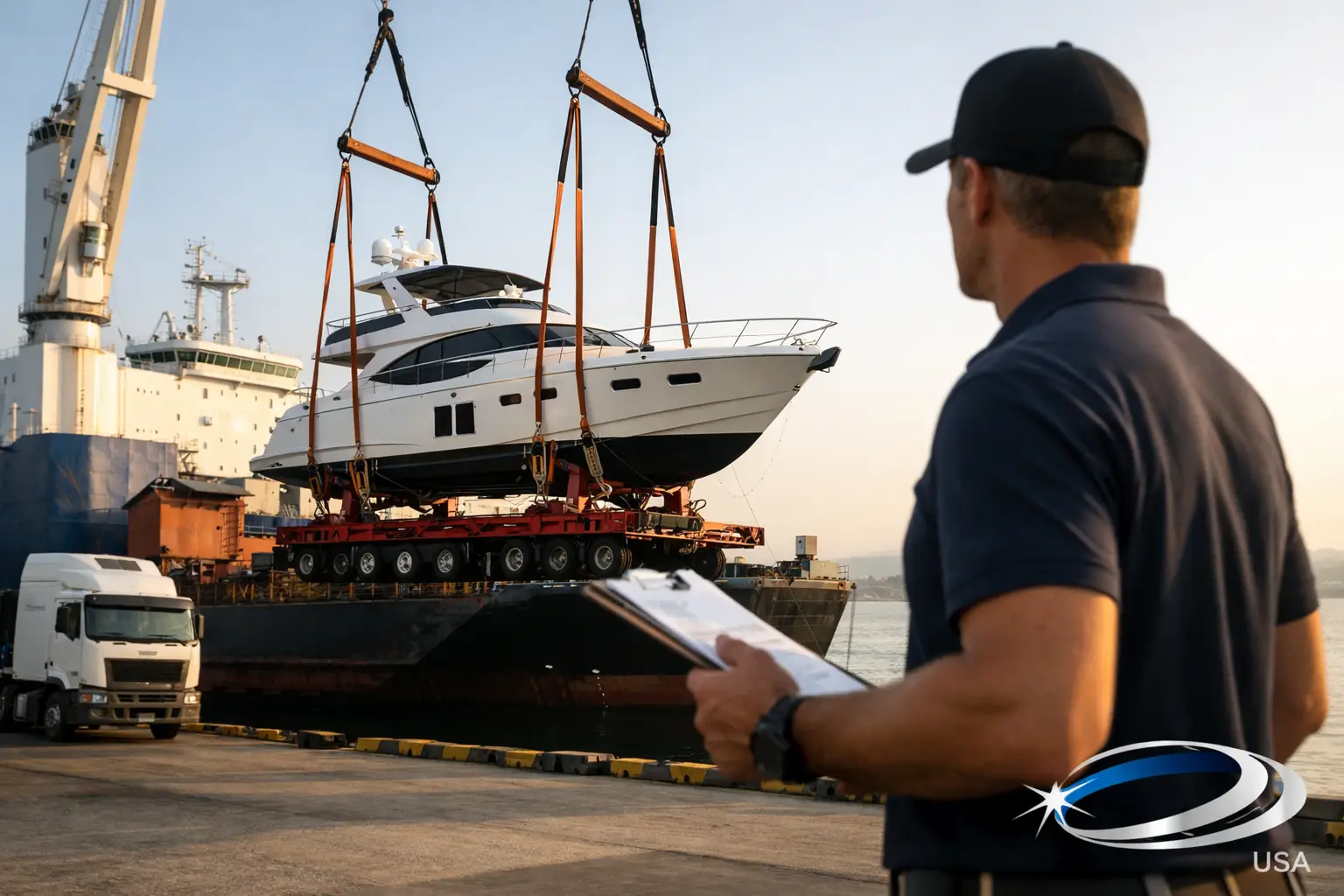
A yacht day can begin beautifully or feel rushed before anyone reaches the water. The difference is rarely the yacht itself. It is the plan for how guests arrive, where they meet, what they bring, and who is responsible for the details once plans change. Knowing how to arrange yacht transportation means treating the journey to and from the marina with the same care as the time on board.
For executives, families, and hosts planning a private charter, the objective is simple: every guest should arrive relaxed, on time, and properly prepared. That requires more than reserving a vehicle and sending a marina address. Marinas have access restrictions, changing traffic patterns, limited curb space, and boarding procedures that can vary by vessel and location.
Start With the Yacht’s Actual Boarding Plan
Before arranging ground transportation, confirm the charter itinerary with the yacht representative. Request the exact marina name, the preferred entrance or gate, slip number if available, boarding time, captain or dock contact, and the latest acceptable arrival time. A marina may have several entrances, while the dock itself may be a short walk or a golf-cart ride from the vehicle drop-off area.
Ask whether the yacht will remain at the dock for guest boarding or whether a tender transfer is required. Some waterfront destinations require guests to meet at a designated point before being transported to the vessel. That detail affects attire, luggage, mobility considerations, and how early everyone should arrive.
A good rule is to plan for guests to be at the marina 20 to 30 minutes before the scheduled departure, not precisely at departure time. This allows for security checks, dock access, welcome refreshments, safety briefings, and the small delays that are common around busy harbors. For major events, holiday weekends, or high-profile groups, allow more time.
Choose Transportation Around the Guest Experience
The right vehicle depends on the group, not simply the number of passengers. A couple flying in for a sunset charter may prefer a discreet luxury sedan or SUV. A family traveling with luggage, children, and provisions may need an executive SUV or luxury van. For a larger corporate group, wedding party, or celebration, coordinating multiple vehicles or a premium coach can keep arrivals organized without compromising comfort.
Consider the full itinerary. If guests are arriving at Los Angeles International Airport, Van Nuys Airport, or a private terminal before boarding in Marina del Rey, Malibu, Newport Beach, or another coastal destination, flight tracking and a professional meet-and-greet service eliminate unnecessary calls and uncertainty. The chauffeur should know whether the group needs to stop at a hotel, residence, restaurant, florist, or market before proceeding to the marina.
Vehicle selection should also account for what is being transported. Soft-sided bags, garment bags, floral arrangements, camera equipment, gifts, and catered items need more thoughtful handling than a standard airport transfer. If the charter includes scuba gear, golf clubs, bulky strollers, or substantial provisions, communicate those requirements in advance so the vehicle capacity is appropriate.
How to Arrange Yacht Transportation for Every Guest
The most polished yacht transportation plans operate from one clear guest manifest. Rather than relying on a long group text, confirm names, pickup locations, mobile numbers, passenger counts, and any special requirements with the person coordinating the charter.
For a group charter, the following details deserve confirmation at least 48 hours before departure:
- Final pickup addresses and preferred pickup times
- Flight numbers, private aviation tail details, or fixed-base operator information
- Passenger luggage and oversized-item needs
- Mobility needs, including assistance at docks or steps
- Children’s ages and required car seats
- Security, privacy, or confidentiality preferences
A consolidated itinerary gives every driver, concierge, and host a single source of truth. It also prevents a common problem: one guest receives a changed boarding time while another follows the original plan.
For VIP guests, entertainment professionals, public figures, or principals traveling with executive protection, transportation should be planned with privacy in mind. That can mean using a discreet route, limiting unnecessary waiting at public marina entrances, coordinating secure access with the harbor staff, and keeping guest and vessel information on a need-to-know basis. The best security plan is visible only when it needs to be.
Build Time Into the Route, Not Just the Clock
Coastal traffic can be unpredictable, especially near weekend events, beach destinations, and holiday marinas. A transportation plan should account for the actual route at the actual time of day, not the travel time shown during a quiet weekday afternoon.
Experienced chauffeurs monitor traffic, road closures, and flight status, but a smart itinerary also provides a buffer. For a high-value charter, missing departure is not a minor inconvenience. It can shorten the charter, affect a carefully timed dining reservation, or leave guests stranded at the dock while the vessel waits at significant expense.
If guests are being collected from different parts of Los Angeles, consider whether a centralized meeting point makes more sense than multiple pickups. This depends on the group. A centralized pickup can simplify timing for a corporate team, while door-to-door service is often the better choice for families, principals, and guests who expect a more private experience.
Return transportation deserves equal attention. Confirm whether the yacht will return to the same dock, whether the captain anticipates a different drop-off point, and whether guests may disembark later than planned. Keep the return chauffeur schedule flexible enough to accommodate conditions on the water. A charter delayed by weather or harbor traffic should not leave guests searching for rides at the end of the evening.
Coordinate What Happens Between Curb and Cockpit
The handoff at the marina is where a well-planned day becomes noticeably easier. The chauffeur should know the authorized drop-off area, who will receive the guests, and whether luggage or provisions need to be carried to the vessel. On a large charter, a concierge or dockside coordinator can welcome guests, direct them to the correct slip, manage late arrivals, and keep the host free to enjoy the occasion.
It is also wise to set expectations before guests depart. Share the boarding location, the requested arrival window, attire guidance, footwear recommendations, and a reminder to bring identification if the charter operator requires it. Guests should know whether the yacht provides towels, sunscreen, food, beverages, or water toys, particularly if they are deciding what to bring.
Weather is another practical consideration. Wind, marine layers, heat, and cooler evening temperatures can change the experience quickly. Transportation can support the day by keeping light jackets, umbrellas, chilled water, or other requested comforts available before boarding and upon return. These are small touches, but they make the occasion feel considered rather than improvised.
Do Not Treat Yacht Logistics as a Separate Booking
A yacht charter often connects to a larger day: airport arrivals, a business meeting, a proposal, a wedding weekend, a private dinner, or an estate departure. Booking each element separately can create gaps in communication. A driver may not know that the captain moved the boarding location. A catering delivery may arrive after the yacht has left. A security detail may be stationed at the wrong entrance.
A single concierge-led plan is especially valuable when discretion, timing, and multiple vendors are involved. LuxPro® USA coordinates private ground transportation, executive security, private aviation support, and luxury lifestyle logistics so clients can manage the experience through one trusted point of contact. For a charter beginning in Southern California or extending to a national destination, that level of oversight protects both the schedule and the standard of service.
There are trade-offs. A simple local sunset cruise may only need a confirmed chauffeur and marina instructions. A multi-family charter, executive retreat, or high-profile celebration may justify dedicated coordination, multiple vehicles, and dockside support. The right level of planning reflects the complexity of the day and the value of getting every detail right.
The most memorable yacht experiences feel effortless because the preparation happened quietly in advance. Confirm the dock, plan the route, protect the guest experience, and give everyone enough time to step aboard without checking a watch.