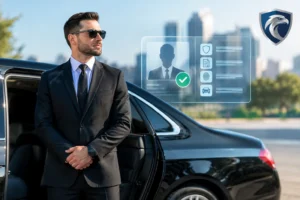


A delayed driver outside a private terminal, an unfamiliar chauffeur at a family residence, or a vehicle that cannot accommodate a last-minute security detail can turn an otherwise well-planned itinerary into an unnecessary exposure. For executives, private families, entertainment professionals, and corporate hosts, transportation is not simply about reaching a destination. This white glove transportation guide outlines what elevated ground travel should look like when privacy, timing, safety, and personal standards cannot be left to chance.
White glove transportation is the difference between reserving a vehicle and assigning a trusted team to manage a critical movement. The vehicle matters, but it is only one part of the experience. The real value lies in the details handled before the door opens: flight monitoring, chauffeur preparation, route planning, communication protocols, luggage assistance, guest coordination, and the discretion to adapt without creating noise around the client.
What White Glove Transportation Really Includes
A premium transportation experience begins with personalization. A professional provider should understand whether the client is traveling alone, with a board member, with children, with an executive protection agent, or with a group arriving from multiple locations. Each scenario changes the operational plan.
For an airport arrival, white glove service may include monitoring the flight in real time, coordinating the preferred pickup location, arranging meet-and-greet service when appropriate, and ensuring the chauffeur is positioned before the client is ready to depart. For an executive roadshow, it may involve a dedicated chauffeur and vehicle on standby, carefully timed venue arrivals, and a dispatcher who can adjust the schedule as meetings run long or end early.
The standard is anticipation. Clients should not have to explain that a preferred water selection, a quiet cabin, extra cargo space, child seats, or a discreet pickup point is needed every time they travel. A capable concierge-level transportation team records preferences responsibly and applies them thoughtfully, while respecting confidentiality.
The Chauffeur Is the Experience
A luxury vehicle does not create white glove service on its own. The chauffeur determines whether the experience feels composed, secure, and genuinely professional.
An exceptional chauffeur is punctual without being intrusive, polished without being overly familiar, and attentive without forcing conversation. They understand that some clients want privacy after a long flight, while others need a concise update on traffic, timing, or the next stop. They manage luggage carefully, maintain a clean and well-presented vehicle, and keep their focus on the road and the client’s comfort.
Screening and training deserve particular attention. For VIP travel, a chauffeur should be more than an experienced driver. The role requires background screening, defensive driving ability, local route knowledge, professional discretion, and sound judgment under pressure. In higher-profile situations, the chauffeur should also be able to work appropriately alongside executive protection personnel, estate staff, assistants, and event coordinators.
There is a trade-off to consider. Some clients prefer a highly visible luxury arrival, while others need the most understated vehicle and pickup process possible. Neither preference is more correct. The right service provider asks the question early and makes sure the fleet, chauffeur, and operating plan match the purpose of the trip.
Choosing the Right Vehicle for the Occasion
The ideal vehicle depends on the passenger count, luggage requirements, level of privacy, route, and impression the client wants to make. A sedan may be ideal for a single executive traveling with a carry-on, while a luxury SUV offers more flexibility for families, executive teams, or travelers with significant luggage. For larger groups, executive vans, sprinters, minibuses, or motorcoaches may be appropriate.
Vehicle selection should never be based on passenger count alone. Consider how long the guests will be in the vehicle, whether they need to work en route, whether formal attire requires additional space, and whether security personnel or production equipment will travel separately. A crowded vehicle can undermine even the most elegant itinerary.
For high-security circumstances, an armored vehicle may be the appropriate choice. This is not a default upgrade for every luxury traveler. Armored transportation is best evaluated against a genuine risk profile, destination, public visibility, and the guidance of qualified security professionals. When it is warranted, it should be coordinated with the wider protective plan rather than treated as a standalone amenity.
White Glove Transportation Guide for Airport Travel
Airport service is where operational quality becomes immediately visible. A typical car service can collect a passenger curbside. White glove airport transportation accounts for the variables that make air travel unpredictable: early arrivals, gate changes, delayed baggage, private aviation schedules, terminal restrictions, security requirements, and tight onward commitments.
Before booking, clarify the flight number, airline or private terminal, passenger contact preferences, luggage count, and final destination. If the traveler is meeting a client, family member, or executive team after landing, the provider should know who is authorized to receive updates and who should not be contacted.
A well-managed airport transfer also considers the next hour, not just the next mile. Does the traveler need to stop at an office? Is there a residence gate code or an estate manager who needs advance notice? Will a personal assistant need a package collected on the way? Does the client require a quiet, direct ride before a presentation? These instructions create a more controlled and comfortable arrival.
In Southern California, airport travel can require particularly careful timing. Trips between Thousand Oaks, Malibu, Calabasas, Los Angeles, and Orange County are affected by traffic patterns that change quickly. The best plan includes sensible pickup windows, alternate routes, and a transportation partner that communicates early when conditions shift.
Privacy, Safety, and Communication Standards
Privacy is not a decorative feature in VIP transportation. It is a working discipline. A professional team does not discuss client names, itineraries, residences, conversations, or personal circumstances. It limits access to trip details, confirms instructions through approved contacts, and avoids social media behavior that could compromise the client’s security or reputation.
Safety is equally practical. Vehicles should be maintained to a high standard, insured appropriately, and inspected before service. Chauffeurs should understand pickup and drop-off procedures at residences, hotels, venues, and private terminals. They should never improvise around security gates or disclose arrival information to unverified parties.
Communication should be calm and precise. The client or designated assistant needs clear confirmation before service, an appropriate point of contact during service, and timely notice if the plan changes. Excessive messages can be as frustrating as silence, particularly for executives managing a demanding schedule. The right level of communication depends on the client’s preference and the complexity of the itinerary.
When Transportation Needs Concierge Coordination
The most demanding itineraries rarely fit inside a single vehicle reservation. A wedding weekend may require separate transportation for family, VIP guests, and the wedding party. A corporate event may need airport arrivals coordinated with hotel check-in, meeting schedules, and venue departures. An estate principal may need a chauffeur, executive protection, household staff coordination, and a priority courier service working in sequence.
This is where a full-service partner has a meaningful advantage. Rather than leaving an assistant to reconcile multiple vendors, a coordinated concierge team can manage the handoffs, confirm responsibilities, and maintain a single operational view of the day. LuxPro® USA supports this level of planning by pairing private transportation with concierge, security, aviation, event, and lifestyle services when the itinerary calls for more than a car and driver.
That said, consolidation should not mean less choice. Ask whether the provider can tailor the plan around your existing assistant, security director, travel manager, or estate manager. The strongest partnerships fit into established protocols rather than trying to replace them.
Questions to Ask Before You Reserve
Before confirming service, ask how the company screens chauffeurs, monitors flights, handles schedule changes, and protects client information. Confirm the exact vehicle category, passenger and luggage capacity, cancellation terms, and the availability of backup vehicles or support if a disruption occurs.
For complex travel, also ask who will manage the itinerary after business hours, whether the provider can coordinate with security or aviation teams, and how instructions are documented for recurring service. The answer should be specific. Vague promises of luxury are not a substitute for an organized operating process.
A thoughtful transportation plan lets clients move through a demanding day with less exposure, less friction, and more control. Choose a team that treats every arrival, departure, and handoff as a reflection of the standards you expect everywhere else.