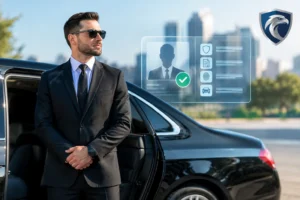


A gala at a Malibu estate, a board dinner in Los Angeles, or a wedding weekend in Napa can lose its polish the moment guests are left waiting at the curb. This private event transportation guide is designed for hosts and planners who expect every arrival, departure, and in-between movement to reflect the caliber of the occasion.
Private transportation is not simply about selecting luxury vehicles. It is an operational decision involving guest experience, timing, privacy, access, safety, and contingency planning. When those details are managed under one experienced team, hosts can focus on their guests rather than traffic patterns, parking restrictions, or a late arrival.
Private Event Transportation Guide: Begin With the Guest Journey
The strongest transportation plans begin before the first vehicle is reserved. Consider how each guest will experience the event from door to door. A principal arriving from a private terminal has different needs than an executive group leaving a downtown office, and both differ from wedding guests traveling between a hotel, ceremony, and reception.
Map the full movement schedule: airport arrivals, hotel transfers, venue arrivals, off-site activities, after-party departures, and return transportation. For multiday celebrations or corporate programs, include rehearsal dinners, site visits, meals, and optional excursions. This reveals where chauffeured sedans, luxury SUVs, sprinter vans, coaches, or specialty vehicles are genuinely needed.
Guest categories matter. VIPs, keynote speakers, senior leadership, talent, families with children, and larger guest groups should not be assigned transportation based only on headcount. Privacy requirements, luggage, mobility needs, security considerations, and personal preferences all influence the appropriate vehicle and service level.
A detailed run-of-show should identify pickup windows rather than relying on a single pickup time. A 6:30 p.m. arrival for a cocktail reception may require a 5:45 p.m. pickup for one guest and a 6:00 p.m. pickup for another. Traffic, access gates, elevators, valet queues, and credential checks all affect the actual journey.
Choose Vehicles for the Occasion, Not Just the Guest Count
A luxury SUV is often the right choice for executive airport transportation, family groups, or clients who value room and privacy. A premium sedan can offer a refined experience for individual principals and business travelers. For groups, executive sprinter vans and luxury minibuses allow guests to travel together without sacrificing comfort.
For weddings, milestone celebrations, and high-energy events, party buses may be appropriate when the journey is part of the experience. They are not always the best answer, however. A party bus can be impractical at venues with narrow driveways, restricted loading zones, or limited turnaround space. In those settings, a coordinated fleet of SUVs and sprinters may deliver a more elegant result.
The vehicle choice should also match the setting. An understated black SUV may be ideal for a private family office dinner or a discreet entertainment-industry movement. A luxury coach may be more effective for moving conference attendees from a hotel to an off-site reception. For a wine tour, comfort, luggage capacity, route knowledge, and the ability to accommodate a relaxed schedule are more valuable than visual spectacle alone.
Ask for vehicle recommendations based on the itinerary, not a menu of vehicles alone. A qualified transportation partner should explain the trade-offs clearly, including passenger capacity, luggage limitations, venue access, and the timing required to stage each vehicle properly.
Build Timing Around Reality
Event transportation fails most often when the schedule leaves no room for reality. Southern California traffic can shift quickly, particularly around airport corridors, major venues, coastal routes, and weekend events. The answer is not simply to dispatch vehicles earlier. It is to establish sensible buffers at every handoff.
For airport arrivals, factor in deplaning, baggage claim, private aviation protocols, and the possibility of last-minute gate or terminal changes. For corporate events, account for meetings that run over, security check-in procedures, and guests who need a short preparation window before departure. For weddings, build in time for photographs, wardrobe adjustments, and the natural unpredictability of a large group.
Staging is equally important. A vehicle arriving early should have a designated place to wait without blocking venue operations or creating an obvious crowd around a VIP entrance. Some properties have strict rules about commercial vehicles, idling, loading docks, and gate access. Confirm these details directly with the venue well before event day.
For major programs, a transportation command point is worthwhile. This may be a dedicated event coordinator, a lead chauffeur, or an on-site transportation manager who can communicate with the venue, security team, planner, and host representative. One clear point of contact prevents conflicting instructions and protects the guest experience.
Prioritize Privacy, Safety, and Discretion
Luxury transportation should feel effortless to the guest, but that outcome comes from disciplined preparation behind the scenes. Professional chauffeurs must be properly vetted, trained in hospitality, and familiar with confidential client expectations. For many hosts, discretion is not an extra feature. It is a requirement.
Share only the information necessary for each trip. Chauffeurs need accurate names, pickup locations, timing, and special requirements, but wide distribution of private itineraries creates unnecessary exposure. A well-managed provider uses clear communication channels and respects the sensitivity of executive, family, and celebrity movements.
Security may be appropriate for certain events, but it should be proportionate to the situation. Executive protection personnel and armored vehicles can provide added confidence for high-profile principals, sensitive business engagements, or destinations with elevated risk. At a private birthday dinner or a standard corporate function, overt security can feel excessive and may draw the attention the host wishes to avoid.
The right approach depends on the profile of the guest, location, known concerns, and the desired atmosphere. Transportation and security teams should coordinate in advance on entry points, alternate routes, credentials, parking, and emergency communication. Treating security as an afterthought often creates friction at the moment discretion matters most.
Give Guests Clear, Minimal Instructions
Guests should never have to guess where to go, whom to call, or which vehicle is theirs. At the same time, long emails full of operational language can create confusion. A concise transportation message should state the pickup time or window, exact meeting point, chauffeur contact procedure, and any dress or luggage considerations that affect the ride.
For group transportation, a host may also provide a departure schedule and a firm return policy. This is especially useful for off-site dinners, winery visits, concerts, and events where parking is limited. Guests appreciate flexibility, but vehicles cannot remain on standby indefinitely without affecting the broader schedule and cost.
Consider a dedicated guest liaison for large events. This person can handle questions, confirm late changes, and assist guests who miss a scheduled departure. It keeps the host and event planner from becoming the default transportation dispatch desk.
Plan for Changes Before They Happen
The value of a premium transportation provider becomes most visible when plans change. Flights are delayed. A speaker needs to leave early. Rain changes a venue entrance. A guest decides to bring additional luggage or requests a different departure location. These are common event realities, not planning failures.
Before the event, agree on how changes will be approved and communicated. Identify who can authorize additional vehicles, extended wait time, alternate routing, or an extra stop. Confirm after-hours contact information and determine whether a dedicated dispatcher will monitor the program. For a complex event, 24/7 support is not a luxury detail. It is practical protection for the schedule.
It is also wise to reserve flexibility where it matters most. This might mean holding an additional SUV near a high-profile venue, scheduling a backup airport transfer during a tight arrival period, or having a larger vehicle available when guests are likely to depart together. There is a cost to this preparation, but it may be far lower than the reputational cost of leaving an important guest without a solution.
Select a Partner That Can Coordinate Beyond the Curb
A transportation company can move people from one address to another. A VIP concierge partner can coordinate the experience around the movement. That distinction is meaningful for hosts managing multiple service layers, such as airport arrivals, hotel accommodations, executive security, private aviation, yacht charters, personal assistance, and venue logistics.
LuxPro® USA provides this type of white-glove coordination for private and corporate clients who want one trusted team managing transportation alongside broader lifestyle and event requirements. For events in Thousand Oaks, Malibu, Los Angeles, Orange County, and nationwide destinations, centralized coordination can reduce vendor handoffs and create greater accountability.
When vetting a provider, look beyond the vehicle photos. Ask how chauffeurs are screened, who monitors the itinerary, what happens during a delay, how the team handles confidential guest information, and whether the provider has experience with your event type. The answers reveal far more than a rate sheet.
The most memorable private events do not make transportation a topic of conversation. Guests feel expected, comfortable, and well cared for from the first pickup to the final departure. That quiet confidence is the standard worth planning for.