

A high-profile event can appear effortless to guests while requiring hundreds of precise decisions behind the scenes. This luxury event logistics case study follows a representative Southern California private celebration where VIP arrivals, executive security, chauffeured transportation, and venue access had to operate as one coordinated experience.
The brief was straightforward: create a polished evening for 120 guests at a private coastal venue, including a principal family, entertainment guests, corporate leaders, and several attendees arriving by private aviation. The operational reality was not straightforward at all. The venue had a narrow approach road, limited on-site parking, a strict arrival window, and a client expectation that no guest would need to ask where to go, wait for a vehicle, or feel exposed.
That is the difference between arranging luxury services and managing luxury logistics. The first is a list of bookings. The second is a controlled experience with backup plans built into every critical moment.
The Luxury Event Logistics Case Study: The Brief
The event team needed a single point of accountability from first arrival to final departure. Rather than asking a planner to coordinate a limousine provider, a separate security firm, aviation contacts, and individual guest assistants, the operational model centered on one command structure.
The primary objectives were clear: protect privacy, maintain exact timing, reduce visible friction, and preserve the elevated atmosphere of the evening. Every choice had to serve those objectives, including choices guests would never see.
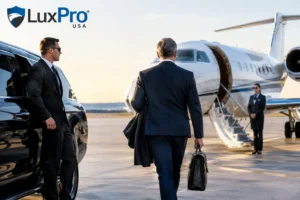
The first planning decision was to divide attendees into movement groups. The principal family required protected, direct access through a private entrance. VIP guests arriving from a nearby airport needed aircraft-to-vehicle coordination and flexible departure coverage. Local guests needed elegant chauffeured service from hotels and residences. Event staff and vendors required separate access and staging so the guest arrival experience remained uncluttered.
This segmentation matters because treating every guest movement the same creates delays. A luxury sedan may be ideal for an executive couple, while a discreet SUV with security coordination is more appropriate for a public-facing guest. A small group traveling together may prefer a luxury sprinter. The right vehicle is not simply a matter of capacity. It is a matter of profile, luggage, route, privacy requirements, and the desired arrival experience.
Building the Operating Plan Before Guests Move
Planning began well before the first vehicle was dispatched. The operations team completed a site review to identify the venue approach, turning radii, gate clearance, loading locations, signal strength, emergency exits, and areas where vehicles could wait without creating a visible queue.
A detailed run-of-show then mapped the evening in blocks: airport arrivals, local pickups, venue arrivals, the principal entrance, dinner transition, early departures, and final egress. Each movement group had a designated vehicle type, chauffeur assignment, route, staging point, and communication protocol.
For an event of this kind, the guest list is more than a seating document. It becomes a live operational record. Names, party sizes, pickup details, preferred contact methods, flight information, luggage needs, mobility considerations, and security notes must be confirmed with discretion. The goal is to reduce the number of questions asked on event day, especially questions that force a VIP guest to repeat private details.
The team also established decision authority. If a flight arrived early, a venue gate became temporarily blocked, or a guest requested a late-night route change, who could approve the adjustment? Without that clarity, minor changes turn into unnecessary phone calls and lost minutes.
Security is part of hospitality
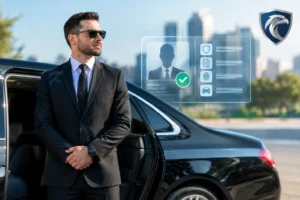
Security was designed into the guest experience rather than added as a visible obstacle. Advance coordination covered access points, credential checks, vehicle identification, principal movement, and emergency procedures. Security personnel were positioned where they could monitor arrivals and protect privacy without making the event feel guarded or restrictive.
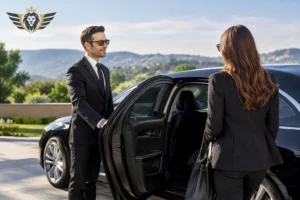
For the principal family, the arrival sequence was intentionally simple: vehicle arrival, controlled gate access, private disembarkation, and immediate venue entry. No curbside bottleneck. No public-facing wait. No confusion over which entrance to use.
This approach is especially valuable for estate events, executive functions, entertainment gatherings, and any occasion where photography, unwanted attention, or uninvited access could compromise the client’s comfort. The trade-off is that a more private arrival plan can require additional staging space and advance credential management. For the right event, that investment is well worth it.
Event Day: Timing Without Pressure
On the day of the celebration, a central coordinator monitored all active movements. Chauffeurs checked in before pickup, confirmed vehicle readiness, and received final route instructions. Airport teams tracked incoming flights, while venue personnel verified that the arrival lane remained open and the private entrance was prepared.
The first test came when an inbound flight landed ahead of schedule. Because the vehicle had been staged based on live flight tracking rather than a static itinerary, the guest was met without delay. The chauffeur had the correct luggage information, destination access instructions, and a direct line to the event command team.
Later, a local guest requested an additional passenger with little notice. The vehicle plan was adjusted without disrupting other pickups because reserve capacity had been built into the schedule. This is one of the most overlooked details in event transportation. A perfectly full fleet may look efficient on paper, but it leaves no room for a changed plan, extended program, or unexpected VIP request.
Reserve vehicles are not always necessary for every event. A smaller dinner with a fixed guest list may only need carefully timed chauffeurs and a clear departure schedule. But for a larger event with high-profile attendees, flight variables, alcohol service, or multiple locations, a dedicated contingency vehicle can protect the entire operation.
The venue arrival sequence
At the venue, vehicles arrived in controlled intervals rather than all at once. Chauffeurs received a green-light signal only when the arrival lane was clear. Guests were welcomed, assisted as needed, and directed inside without standing in a line of vehicles or being exposed to vendor traffic.
Behind the scenes, the team managed a rotating vehicle queue at an off-site or screened staging area. This kept the property calm and visually refined. It also prevented a common failure point: drivers circling nearby roads, losing position, or arriving at the gate at the same time.
The principal family’s vehicle remained positioned for a possible early departure, while other vehicles were released and recalled according to the run-of-show. Not every client needs that level of dedicated coverage. When privacy, security, or an unpredictable schedule is involved, however, immediate access to a prepared vehicle provides meaningful assurance.
The Departure Plan Matters as Much as the Arrival
Many event plans are strongest at the beginning and weakest at the end. That is when guests depart at different times, hosts are tired, phones are low on battery, and a single missed communication can create unnecessary frustration.
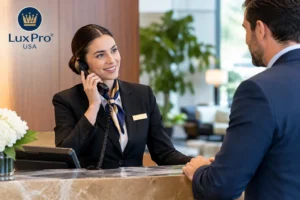
For this event, departures were managed through a discreet guest-services point connected to the transportation coordinator. Chauffeurs were called forward in sequence, not asked to wait at the venue entrance. Guests who had consumed alcohol were offered a safe, private ride home. VIP guests were escorted to their vehicles through the designated route, preserving the same level of care they received on arrival.
The evening closed without a visible transportation line, a security issue, or a guest waiting curbside. That result did not come from luck. It came from integrating hospitality, security, communication, and transportation into one operating plan.
What This Case Study Reveals About Luxury Event Logistics
Luxury event logistics is not defined by the number of black vehicles at a property. It is defined by anticipation. The best experience feels personal because the operations behind it are disciplined: vetted chauffeurs, clear communication, live monitoring, precise staging, and a team authorized to solve issues before they become visible.
For a corporate gala, private wedding, estate celebration, or executive gathering, the right level of planning depends on the guest profile and risk level. A single venue with local attendees has different needs than a multi-day event involving private flights, yacht transfers, security details, and several residences. The principle remains the same: one coordinated partner should be accountable for the complete guest journey.
LuxPro® USA approaches event coordination with this white-glove standard, bringing private transportation, concierge support, and protective services into a single, carefully managed experience. When the stakes are high, the details should feel quiet, intentional, and already handled.