
A memorable wine country day is rarely defined by the final bottle purchased. It is defined by the moment the vehicle arrives, the ease of entering each property on time, the quality of the welcome, and the freedom to enjoy a rare pour without thinking about the road ahead. To plan a luxury wine tour well, treat it as a private occasion with its own pace, preferences, and standards of care.
For executives, families, couples, and private hosts, the goal is not to visit the greatest possible number of wineries. It is to create a beautifully managed experience where every guest feels considered. That may mean an early flight arrival followed by an afternoon in Santa Barbara wine country, a celebratory Napa weekend, or a Malibu tasting itinerary built around a private lunch and ocean views.
Start With the Occasion, Not the Winery List
The right itinerary begins with the reason for gathering. A milestone birthday calls for a different rhythm than a client appreciation outing. A couple may want intimate tastings and an exceptional dinner reservation, while a corporate group may need generous arrival windows, a polished host, and room for conversation between appointments.
Decide what the day should feel like before choosing properties. Consider the guest count, mobility needs, preferred wines, dietary requirements, desired level of privacy, and whether the group is more interested in education, social time, culinary pairings, or collecting. These details shape every later decision, from vehicle selection to tasting format.
A luxury itinerary also benefits from restraint. Three thoughtful appointments are often more rewarding than five hurried stops. Private tastings commonly run longer than standard walk-in experiences, and a refined day needs time for arrivals, photographs, conversation, purchases, and a relaxed meal.
Choose a Region That Matches Your Time and Style
Wine country should complement the occasion and the logistics, not simply follow a famous name. Southern California offers distinct possibilities for clients based in Thousand Oaks, Los Angeles, Orange County, and surrounding communities. Malibu can offer a scenic, close-to-home escape. Santa Barbara County allows for a fuller day or overnight experience, with varied microclimates and a strong food-and-wine culture. Temecula may suit a more accessible group gathering, especially when guests are arriving from different parts of Southern California.
For a destination experience, Napa Valley and Sonoma remain strong choices for collectors and guests seeking established hospitality programs. Paso Robles appeals to those who prefer generous landscapes, Rhône varieties, bold reds, and a more relaxed pace. The best choice depends on travel time, season, budget, and the personality of the group.
Be realistic about transit. A region that looks close on a map can feel far after weekend traffic, tasting appointments, and a late lunch. Private aviation, airport coordination, or an overnight stay may turn an ambitious itinerary into a comfortable one. There is no prestige in asking guests to spend the best part of the day in traffic.
Plan a Luxury Wine Tour Around Private Access
The most distinctive wine experiences are often not the most visible ones. Look beyond a standard tasting room reservation toward seated reserve tastings, vineyard walks, cellar experiences, chef-led pairings, library wine programs, or appointments hosted by an estate representative. These formats provide greater privacy and a more personal connection to the property.
Availability is the trade-off. Small-production wineries and private estate programs may require advance planning, particularly during harvest, holiday weekends, and peak spring and fall travel periods. They may also have firm cancellation policies or minimum purchase expectations. A professional itinerary accounts for these terms from the beginning rather than leaving them to chance.
Variety matters as well. If every stop pours the same style of bold Cabernet, even an accomplished wine drinker can experience palate fatigue. Create contrast through setting, varietal, production philosophy, or food. A sparkling wine welcome, an elegant Pinot Noir tasting, and a private Cabernet-focused estate visit can make a day feel far more considered than a series of similar appointments.
Make Transportation Part of the Experience
The vehicle is not merely a way to move between wineries. It is the private setting where guests settle in, refresh, speak freely, and enjoy the transition from one experience to the next. Select transportation based on group size, luggage, terrain, itinerary length, and the level of discretion required.
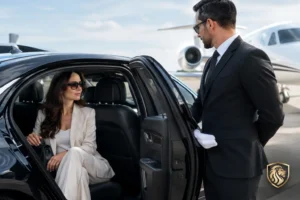
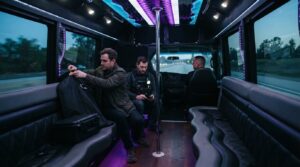
For two to four guests, a luxury SUV or executive sedan creates an intimate, refined atmosphere. Larger groups may prefer a luxury Sprinter, executive shuttle, or carefully appointed coach that allows everyone to travel together without sacrificing comfort. When security or heightened privacy is a concern, discuss those requirements early so that the transportation and staffing plan are appropriate from the first pickup.
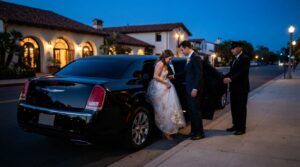
An experienced chauffeur should understand more than directions. Wine country requires a driver who respects reservation times, knows when to stage discreetly, manages route changes calmly, and provides a consistently professional presence. Most importantly, private chauffeured transportation allows every guest to participate fully in the tasting experience while returning safely.
Build in Hospitality Between Tastings
A refined wine tour does not run from one pour to the next. Water, thoughtful snacks, climate control, charging access, umbrellas, and clean, comfortable seating make a meaningful difference over a full day. For longer itineraries, plan a proper meal rather than relying on cheese boards to carry the group through multiple tastings.
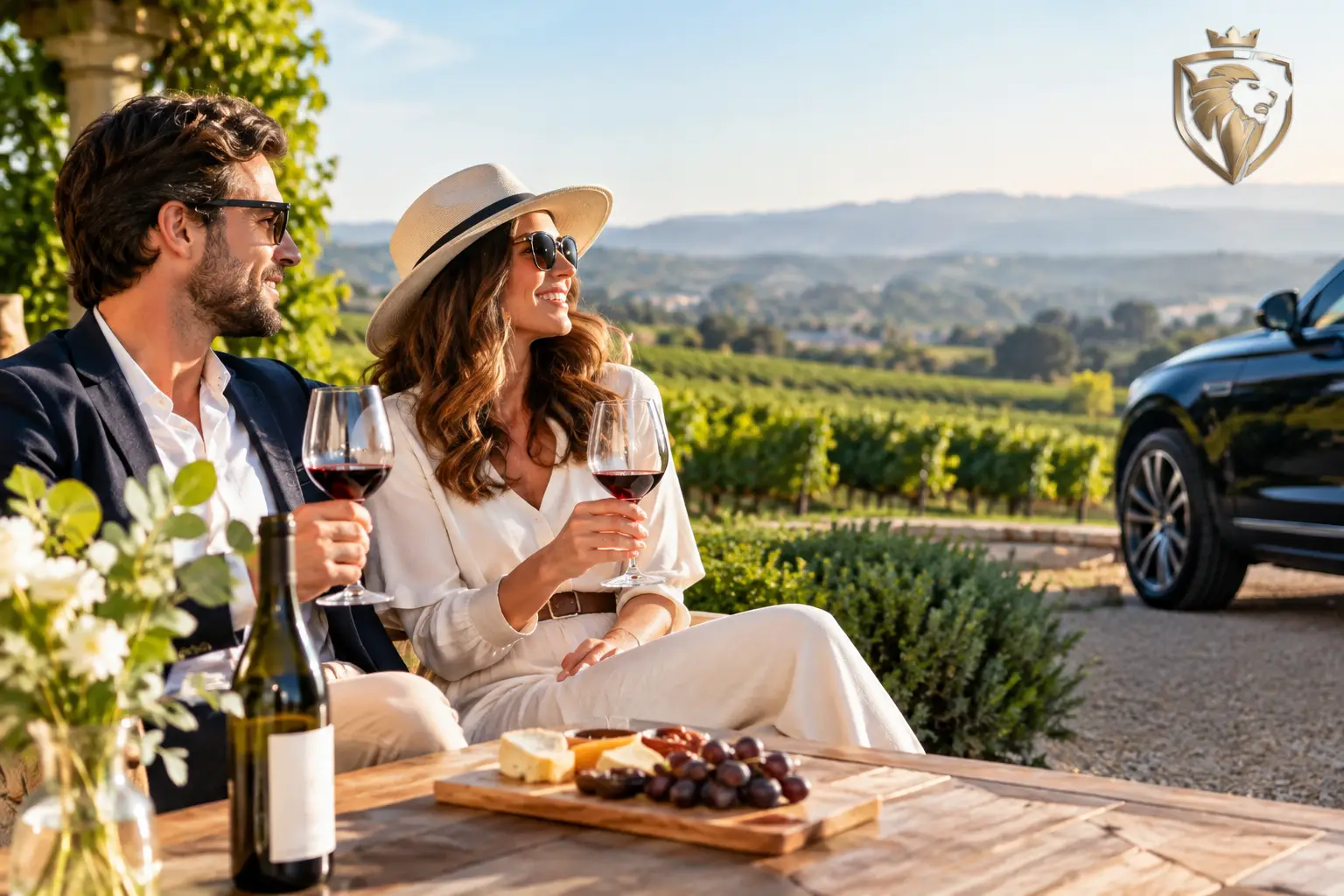
Lunch can be an estate restaurant reservation, a private picnic arranged where permitted, or a chef-prepared experience at a winery. The appropriate choice depends on the formality of the occasion. A corporate host may favor a private dining room where conversation remains confidential. A family celebration may prefer an outdoor table with room to linger.
It is wise to leave breathing room around the meal. Tasting schedules can shift, guests may discover a winery they want to enjoy longer, and purchases take time to arrange. An itinerary with no flexibility is not efficient. It is fragile.
Handle the Details Guests Should Never Have to See
Luxury is often felt most strongly in the problems that never reach the guest. Confirm names, arrival instructions, accessibility needs, food allergies, and payment arrangements before the day begins. Keep reservation confirmations in one place and make sure the person coordinating the experience has direct access to every venue and transportation contact.
If guests are flying in, coordinate airport transfers with enough margin for delays and baggage. If the day ends at a restaurant, hotel, residence, or private event, confirm the final destination and expected departure time in advance. For high-profile clients, discretion should extend to reservation notes, vehicle staging, photography preferences, and the handling of personal information.
Wine purchases deserve a plan, too. A few bottles fit easily in a vehicle, but collector-level purchases, temperature-sensitive wines, or travel by air may require shipping coordination. Ask each property about fulfillment, shipping restrictions, and storage options before guests begin buying. This small step prevents a beautiful day from ending with an avoidable logistics issue.
Dress for the Setting, Not Just the Photos
Wine country can involve gravel paths, vineyard terrain, cellar temperatures, bright sun, and unexpected changes in weather. Encourage guests to dress elegantly but practically. Comfortable shoes, layers, sunglasses, and a light jacket are more useful than an overly formal outfit that limits movement or comfort.
Hosts should also consider the tone of the properties selected. Some wineries welcome a relaxed resort look, while others feel more formal and design-driven. A short pre-tour note with the anticipated weather, itinerary style, and pickup time helps guests arrive prepared without overexplaining the experience.
Let One Team Coordinate the Entire Day
A wine tour becomes genuinely elevated when the moving parts are managed as one experience: chauffeured transportation, appointment timing, hospitality details, security considerations, airport movements, and the final evening plan. Working with separate vendors can be appropriate for a simple outing, but it often places the host in the role of coordinator when they should be enjoying their guests.
LuxPro® USA provides private transportation and VIP concierge coordination for clients who expect white-glove service, discretion, and polished execution. The value is not simply having a vehicle waiting outside. It is having an experienced team that understands the standard required before, during, and after the tasting.
The finest wine tour leaves guests talking about the vineyard, the meal, and the people they shared it with. Give those moments room to happen, and let the planning remain quietly in the background where it belongs.