

A roadshow can put a company’s most visible people in front of its most consequential audience. When the schedule moves from a morning investor meeting in Los Angeles to an afternoon client presentation in Newport Beach, executive roadshow vehicles are not simply a way to get there. They are a private operating environment where leadership can prepare, regroup, communicate, and arrive composed.
For corporate travel planners, executive assistants, and principals, the right vehicle program protects more than timing. It protects focus, confidentiality, presentation, and the standard of care associated with the organization itself.
What Executive Roadshow Vehicles Need to Deliver
A traditional point-to-point car service is designed around a single transfer. A roadshow requires a different level of coordination. The chauffeur, vehicle, dispatch team, itinerary, security considerations, and passenger preferences must all work together over a sequence of stops that may change with little notice.
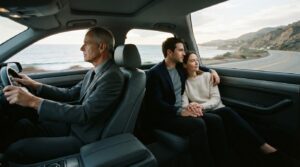
The vehicle should feel calm even when the day is not. Senior executives may need to review materials, take sensitive calls, meet with colleagues, or pause between appearances. That calls for a meticulously maintained interior, discreet professional chauffeur, dependable climate control, charging capability, water service, and enough room to travel without feeling compressed.
Privacy is equally central. Roadshows often involve earnings discussions, acquisition activity, legal matters, executive recruiting, board-level conversations, or high-value client relationships. The expectation is not merely quiet transportation. It is a chauffeur-led environment operated by people who understand discretion, keep conversations confidential, and remain attentive without becoming intrusive.
Selecting the Right Vehicle for the Schedule
There is no single best choice for every roadshow. The right fleet mix depends on the passenger count, city routing, luggage needs, security profile, and how much time the travelers will spend in the vehicle.
Executive Sedans for Principals and Private Travel
Luxury sedans are appropriate for a CEO, principal, visiting board member, or one-to-two-person executive party. They offer a refined, low-profile arrival and are often the most efficient choice for dense urban schedules, hotel entrances, financial districts, and private residences.
Sedans work especially well when discretion is the priority and the itinerary involves frequent short movements. Their trade-off is capacity. If passengers need to work together during transit, carry presentation materials, or bring security personnel, a larger option may be better suited.
Luxury SUVs for Space and Flexibility
Executive SUVs provide more room for luggage, assistants, security, and longer transfers. They are a preferred option for airport arrivals, multi-stop days, coastal travel, and programs where the schedule may expand to include additional passengers.
For many roadshows, the SUV is the practical middle ground between a sedan’s polished simplicity and a van’s group capacity. The key is selecting a premium model with a professional chauffeur and a consistently immaculate cabin. More space should never mean a less elevated experience.
Executive Vans for Leadership Teams
When several executives, investor relations professionals, legal counsel, or production staff need to travel together, an executive van can keep the group coordinated. It also reduces the operational risk of separating key personnel into multiple vehicles during a time-sensitive program.
This option is particularly valuable when the roadshow includes airport transfers, regional site visits, conference venues, studio meetings, or a series of presentations across Southern California. The group can review the next engagement together rather than relying on fragmented phone calls between separate cars.
Motorcoaches and Sprinters for Larger Delegations
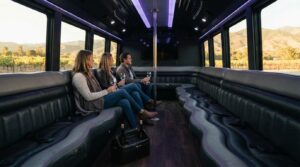
A larger delegation may require multiple executive vans, luxury Sprinters, or a motorcoach, depending on the guest experience required. These vehicles are useful for investor events, corporate hospitality, media tours, product launches, and leadership off-sites.
The decision should be made strategically. A full-size motorcoach is efficient for volume, but it is not always appropriate for a senior executive audience or an event where arrival presentation matters. A coordinated fleet of luxury vehicles can provide more privacy and flexibility, particularly when VIPs and support teams have different schedules.
The Chauffeur Is Part of the Roadshow Team
A beautiful vehicle cannot compensate for an unprepared chauffeur. Roadshow transportation depends on judgment as much as driving ability. The chauffeur must know the route alternatives, understand access points and loading protocols, anticipate traffic patterns, and maintain precise timing without adding pressure to the passengers.
The strongest chauffeurs bring a measured, polished presence. They confirm the passenger’s preferred name and pickup protocol, manage luggage with care, maintain appropriate professional distance, and stay prepared for last-minute changes. They also recognize that punctuality often means arriving early enough to absorb uncertainty rather than appearing exactly at the stated pickup time.
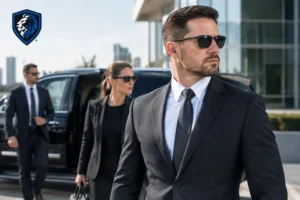
For high-profile or sensitive movements, chauffeur selection should also reflect security awareness. This does not require turning every executive itinerary into a visible security operation. It means using properly vetted personnel, clear communication procedures, and a transportation partner that can coordinate with executive protection when the situation calls for it.
Building a Roadshow Itinerary That Holds Up
The most polished roadshow begins before the first door opens. A complete itinerary should account for more than meeting addresses and pickup times. It should include principal names, passenger count, flight details, hotel entrances, venue contacts, preferred routes, luggage requirements, vehicle assignments, and any mobility or security considerations.
Timing needs realistic buffers. A calendar may show a 30-minute drive, but a roadshow plan should account for boarding, unloading, venue access, traffic volatility, parking restrictions, and the possibility that a meeting runs long. Leaving no margin can create a chain reaction that affects every appointment after it.
Communication should also have a clear hierarchy. The executive assistant, event lead, travel manager, and transportation coordinator should know who can authorize itinerary changes, vehicle upgrades, additional stops, or passenger additions. This prevents a small adjustment from becoming a series of conflicting requests.
For multi-city programs, a centralized transportation partner offers a meaningful advantage. Consistent service standards, a single point of coordination, and a unified view of the itinerary reduce the burden on the internal team. LuxPro® USA approaches these programs as white-glove logistics, aligning luxury ground transportation with concierge coordination and, when needed, executive security support.
When Security Changes the Vehicle Plan
Not every executive roadshow needs protective services. For routine corporate travel, a discreet luxury sedan or SUV with a highly screened chauffeur may be entirely appropriate. The approach changes when the principal has a known public profile, there is elevated risk, the itinerary involves sensitive negotiations, or the destination presents access concerns.
In those situations, transportation planning should be coordinated with the protection detail rather than handled separately. Vehicle positioning, advance work, departure routes, secure waiting locations, communication protocols, and alternate pickup points can all matter. The visible footprint should remain proportionate to the need. Effective executive security is often calm, discreet, and nearly unnoticed by everyone except the people responsible for the plan.
An armored vehicle may be warranted for a specific risk profile, but it is not an automatic mark of premium service. Armored transportation has practical trade-offs, including weight, availability, maneuverability, and a more noticeable presence. The correct decision follows an informed assessment, not a preference for excess.
Small Details That Shape the Passenger Experience
Roadshow travelers remember the details because those details determine whether the day feels controlled. A properly chilled bottle of water, a clean charging cable, a requested newspaper, a preferred temperature, and luggage already secured before the principal exits a meeting all communicate readiness.
The same applies to presentation. Vehicles should arrive spotless, odor-free, and fueled. Chauffeurs should be professionally attired, composed, and familiar with the itinerary. The pickup should never feel improvised, particularly when clients, investors, or senior partners are present.
It is also wise to plan for the unexpected: a delayed flight, a venue entrance closure, an additional passenger, a last-minute dinner, or a meeting that runs forty minutes past schedule. A roadshow transportation plan earns its value in these moments. The goal is not to promise that nothing will change. It is to ensure changes are handled quietly, quickly, and without compromising the principal’s experience.
The best roadshow vehicle program leaves executives free to focus on the conversations that move their business forward. When transportation is planned with the same care as the meeting itself, every arrival feels deliberate, every transition feels protected, and the day retains the confidence it was designed to project.