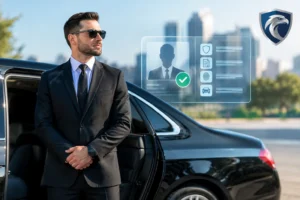


The first late shuttle can change the tone of an otherwise flawless wedding. Guests arrive flustered, key family members miss photographs, and the carefully planned rhythm of the day starts slipping. Luxury wedding guest transportation prevents that chain reaction by turning arrivals, departures, and between-venue transfers into a managed, elevated part of the celebration rather than a logistical gamble.
For couples, families, and planners hosting a high-touch event, transportation is not a side detail. It is guest experience, timing control, brand image, and risk management wrapped into one decision. The right vehicle matters, but coordination matters more. A beautiful fleet with weak dispatch support still creates friction. A polished transportation plan, by contrast, sets the tone before the first toast is poured.
Why luxury wedding guest transportation matters more than most couples expect
At a luxury wedding, guests notice the details that feel easy. They notice when they are greeted properly, when they do not need to search for parking, and when no one is texting the planner asking where to go next. That ease is rarely accidental.
Wedding transportation becomes more important as complexity rises. Multiple hotels, private estates, remote venues, coastal properties, city traffic, older relatives, VIP attendees, and security needs all change the scope. A simple rideshare approach may work for a casual local gathering, but it often falls apart when the event includes a firm ceremony start, restricted venue access, or guests who expect discretion and comfort.
There is also the issue of pacing. Weddings move in chapters. Guests leave a hotel, arrive at the ceremony, transition to cocktails, continue to the reception, and often return late in the evening. Each transition is a point where delays, confusion, or inconsistent service can lower the standard of the entire event. Luxury transportation protects the flow.
What separates luxury wedding guest transportation from standard event shuttles
The difference starts with service design. Standard transportation providers often focus on moving people from point A to point B. Premium providers are managing timing, presentation, communication, and hospitality at the same time.
That means professional chauffeurs who understand formal event etiquette, not just route navigation. It means a fleet selected around the guest mix, whether that requires executive sprinters, luxury SUVs, sedans for family principals, mini coaches, or specialty vehicles for larger movements. It also means active oversight behind the scenes, with dispatch teams monitoring traffic, staging arrivals, and adjusting in real time when schedules shift.
For many weddings, privacy is equally important. High-profile families, entertainment clients, executives, and public-facing individuals do not always want guests publishing pickup details or waiting outside with the general crowd. A white-glove transportation partner plans for discretion as carefully as comfort.
Planning the transportation around the guest experience
The strongest wedding transportation plans begin with a guest map, not a vehicle list. Before anyone books a fleet, the real questions are who needs service, when they need it, and how polished the experience should feel at each touchpoint.
Start with guest categories. Immediate family often needs different treatment than general guests. Wedding party members may need early pickups and standby service. Elderly relatives may require low-step access or shorter wait times. VIP guests may need direct private transfers rather than shared group movement. Once those distinctions are clear, the transportation strategy becomes more precise.
Hotel concentration matters too. If most guests are staying in one luxury property, large-format transfers may be efficient. If the guest list is spread across private residences, boutique hotels, and airport arrivals, a mixed-fleet approach usually makes more sense. The best answer is rarely the cheapest or the biggest option. It is the one that reduces friction without overcomplicating the day.
Timing should also be built with margin. Weddings rarely run exactly on schedule. Hair and makeup run long. Photography shifts. Ceremonies start a few minutes late. A provider experienced in luxury events accounts for that reality without making guests feel rushed or stranded.
Choosing the right vehicles for a luxury wedding
Vehicle selection affects more than appearance. It shapes comfort, boarding speed, accessibility, and even the social tone of the event.
Luxury sprinter vans are often ideal for small-to-mid-size groups who want executive comfort without the formality of a large coach. They work especially well for wedding party transfers, family groups, and VIP hotel routes. Luxury SUVs and sedans are best for principals, close family, or guests who value privacy and direct service.
Mini coaches and larger buses have a place when the event includes significant guest volume, difficult parking, or a venue that benefits from grouped arrivals. But larger vehicles are not automatically more refined. For a luxury wedding, they still need to be impeccably maintained, professionally staffed, and staged with the same white-glove attention as an executive car.
This is where experience matters. A provider should know when a sleek black SUV creates the right impression and when a coordinated fleet of executive shuttles will better protect the event timeline. The right recommendation is based on guest flow, venue access, and service standards, not on forcing every event into one fleet category.
Where coordination becomes the real luxury
A wedding with one venue and one hotel is straightforward. A wedding weekend with airport pickups, welcome dinners, ceremony transfers, reception exits, and next-day brunch transportation is something else entirely.
In those cases, transportation is part of event operations. It must connect with the planner, venue manager, security team, and often household or estate staff. Arrival windows need to be staggered. Drivers need principal names, not just addresses. Dispatch needs to know which guests can be grouped and which cannot. If there is a weather issue, route closure, or timing change, someone needs authority to adjust immediately.
That level of oversight is what affluent clients are paying for. Not simply a luxury vehicle, but fewer points of failure.
For estate weddings or private residential events, this becomes even more valuable. Narrow access roads, neighborhood restrictions, valet limitations, and security considerations all require advance planning. A transportation partner with broader concierge-level discipline can anticipate those issues before they affect the guest experience.
The trade-offs couples should consider
Luxury service does not mean every wedding needs the most elaborate transportation package available. It depends on the guest profile and event design.
If the ceremony and reception are in one central hotel, extensive shuttle service may be unnecessary. In that setting, private transfers for principals and selective service for key guests could be the smarter investment. On the other hand, if the venue is remote, parking is limited, or alcohol service is central to the evening, comprehensive guest transportation becomes less of a luxury add-on and more of a practical necessity.
Budget should be evaluated against risk. Transportation often looks expensive until compared with the cost of guest delays, missed starts, parking failures, or a poor first impression at a seven-figure event. For many hosts, the question is not whether transportation is worth it. It is whether the service level reflects the standard of the rest of the wedding.
What to expect from a premium provider
A premium transportation partner should ask sophisticated questions early. They should want to know your venue layout, hotel block details, guest counts, family structure, timeline pressure points, and any privacy or security concerns. If the conversation starts and ends with hourly rates, that is usually a sign the service is transactional rather than truly managed.
You should also expect clear confirmations, polished chauffeurs, vetted personnel, well-maintained vehicles, active communication, and contingency planning. Weddings are live events. Small issues happen. What matters is whether the transportation team can solve them quietly and professionally.
For clients planning celebrations in markets such as Los Angeles, Malibu, Newport Beach, or other high-demand destinations, local traffic and venue restrictions can quickly complicate a schedule. That is where an experienced luxury operator earns their place. A company such as LuxPro® USA is built for exactly this kind of high-touch coordination, where transportation is part hospitality and part precision logistics.
Luxury wedding guest transportation as part of the overall brand of the event
Every wedding communicates something. Sometimes that message is understated elegance. Sometimes it is privacy, prestige, or large-scale hospitality. Transportation should support that message, not work against it.
When guests are met on time, escorted professionally, and carried through the event in comfort, the wedding feels composed. The hosts appear thoughtful. The planner has more control. Family members can stay present instead of troubleshooting rides. That is the real value.
A beautiful celebration deserves an arrival experience to match. When transportation is planned with the same care as the venue, design, and service, guests feel looked after from the first pickup to the final return. That memory lasts longer than most centerpieces ever will.