

A private event can be beautifully designed, impeccably catered, and attended by the right people – yet still feel exposed if security is treated as an afterthought. The best private event security teams create a calm, controlled environment without making guests feel watched. Their presence is polished, their communication is discreet, and their planning begins long before the first vehicle arrives.
For executive dinners, luxury brand activations, weddings, estate celebrations, entertainment events, and high-profile fundraisers, security is part of the guest experience. The right team protects people, privacy, property, and the tone of the occasion at the same time.
What separates the best private event security teams
The most capable teams do far more than place guards at an entrance. They assess the event as a complete operation: venue access, guest profile, transportation routes, staffing flow, vendor arrivals, emergency exits, alcohol service, media exposure, and the possibility of an unwanted guest or disruption.
That planning matters because every private event carries different expectations. A Malibu estate reception with prominent guests requires a different approach than a corporate leadership gathering in Los Angeles or a private yacht charter departing from Marina del Rey. The goal is not to apply a standard package. It is to build a security posture that fits the setting, guest list, schedule, and desired level of visibility.
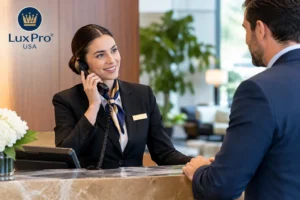
A premier team also understands hospitality. Guests should encounter professional, composed personnel who can give directions, assist with access, communicate with chauffeurs, and address concerns without unnecessary confrontation. Security that feels overly aggressive can change the energy of an exclusive event. Security that is too passive can leave hosts managing issues they hired professionals to prevent.
Start with the event, not the headcount
It is tempting to ask, “How many guards do we need?” That question comes later. A thoughtful provider first needs to understand what is being protected and where pressure points may develop.
An intimate dinner for 25 guests may need a discreet executive protection presence, secure arrival coordination, and access control at a single entry point. A 300-person celebration may require credential checks, perimeter coverage, parking and transportation management, backstage or VIP zones, and a dedicated supervisor to coordinate the operation.
The guest profile is equally important. Events involving executives, public figures, high-net-worth families, or sensitive corporate activity deserve a higher degree of discretion. In these cases, security may need to manage photography restrictions, uninvited visitors, protest activity, confidential conversations, and secure movement between vehicles and the venue.
A quality assessment should cover the following areas:
- The venue layout, entry points, exits, sightlines, and neighboring properties
- Guest arrivals, valet operations, chauffeured transportation, and departure timing
- The distinction between guests, staff, vendors, media, and restricted-access personnel
- Medical, weather, fire, evacuation, and incident-response procedures
- Privacy requirements, including photography, social media, and information handling
The most effective plans feel proportionate. A small gathering should not resemble a barricaded venue, while a larger or higher-profile event should not rely on a single person with a clipboard.
Ask how personnel are selected and supervised
Private event security is only as strong as the people assigned to the detail. Credentials are essential, but they are not the entire standard. The team should be properly licensed where required, thoroughly screened, trained for the assigned role, and capable of representing a luxury host or organization with sound judgment.
Ask who will actually be on site. Will the provider use experienced professionals who regularly work executive, estate, hospitality, and special-event details? Is there a field supervisor with clear authority? What is the escalation process if the scope changes during the event?
The best providers assign people based on more than availability. They consider the setting and interpersonal demands of the job. A red-carpet arrival, a board-level dinner, a family celebration, and a high-energy entertainment event each call for a different balance of visibility, communication style, and operational experience.
Uniform standards matter as well. In many luxury settings, tailored professional attire or formal plainclothes coverage is more appropriate than highly tactical presentation. The objective is confidence and control, not spectacle. That said, a more visible posture may be appropriate when crowd behavior, public access, or a known security concern calls for it. Good security teams explain that trade-off clearly rather than selling a one-size-fits-all image.
Look for planning that includes transportation and access
Arrival and departure are often the most vulnerable moments of a private event. Guests are outside, schedules compress, vehicles stack up, and personal information can become visible. This is especially true when VIPs arrive in separate vehicles or when an event ends with many guests leaving at once.
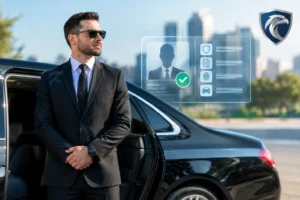
A coordinated security team works closely with chauffeurs, valet personnel, venue management, and the event planner. They establish where vehicles stage, which entrance each guest will use, how credentials are verified, and what happens if someone arrives unexpectedly. For protected principals, the team should be prepared to coordinate secure transfers without drawing attention to the process.
This is where a single, well-managed luxury service partner can simplify the experience. LuxPro® USA can coordinate executive security details alongside private transportation and event logistics, reducing the risk of missed handoffs between unrelated vendors.
Access control should also be more refined than simply checking names at the door. Depending on the event, it may include invitation verification, wristbands or discreet credentials, guest-list updates in real time, restricted zones, vendor check-in, and procedures for late additions. The system should be easy for invited guests and difficult for everyone else.
Insist on a real communications plan
When a problem occurs, speed and clarity matter more than volume. Security, event leadership, venue staff, transportation teams, and medical personnel should know who is making decisions and how to reach one another immediately.
Before the event, the security lead should review communication channels, emergency contacts, response roles, and reporting expectations. This does not need to become theatrical. It simply means the people responsible for the event are prepared.
For example, if an uninvited individual appears at a private residence, the team should know whether the preferred response is discreet removal, a call to local authorities, or a temporary hold at the gate while the host’s representative confirms status. If a guest requires medical assistance, personnel should know the closest access route for emergency responders and how to protect the guest’s privacy.
A professional team also documents meaningful incidents after the fact. That record may be valuable for corporate hosts, estate managers, insurers, or future event planning. At the same time, reporting should remain confidential and limited to the people who need to know.
Avoid common selection mistakes
Price alone is a poor measure of quality. A low quote may reflect limited planning, inexperienced staffing, unclear supervision, or a provider that treats a high-touch private event like generic crowd control. Premium security should be transparent about what is included: staffing hours, supervisory coverage, planning time, equipment, travel, overtime terms, and any specialized capabilities.
It is also wise to avoid hiring based solely on an impressive résumé or a forceful sales pitch. Ask practical questions. How will the team preserve guest privacy? Who conducts the advance assessment? How are last-minute guest-list changes handled? What experience does the assigned supervisor have with events like yours?
Finally, do not wait until the final week to arrange protection. Late bookings can limit personnel options and leave little time for a proper walkthrough. For major celebrations, executive gatherings, or events with complex transportation, early coordination creates a far more composed result.
The right security should feel effortless to guests
Exceptional private event security is often noticed only in retrospect. Guests remember an elegant arrival, a comfortable atmosphere, and the sense that the evening was handled with care. They do not need to see every decision made behind the scenes.
Choose a team that treats protection as part of white-glove hospitality: attentive without being intrusive, prepared without being performative, and fully focused on preserving the occasion you worked hard to create.