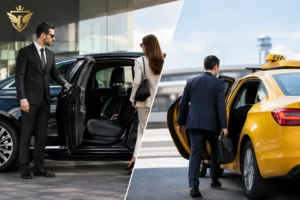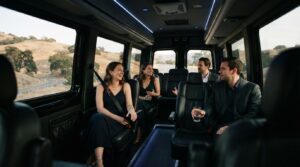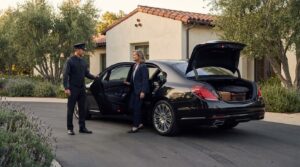

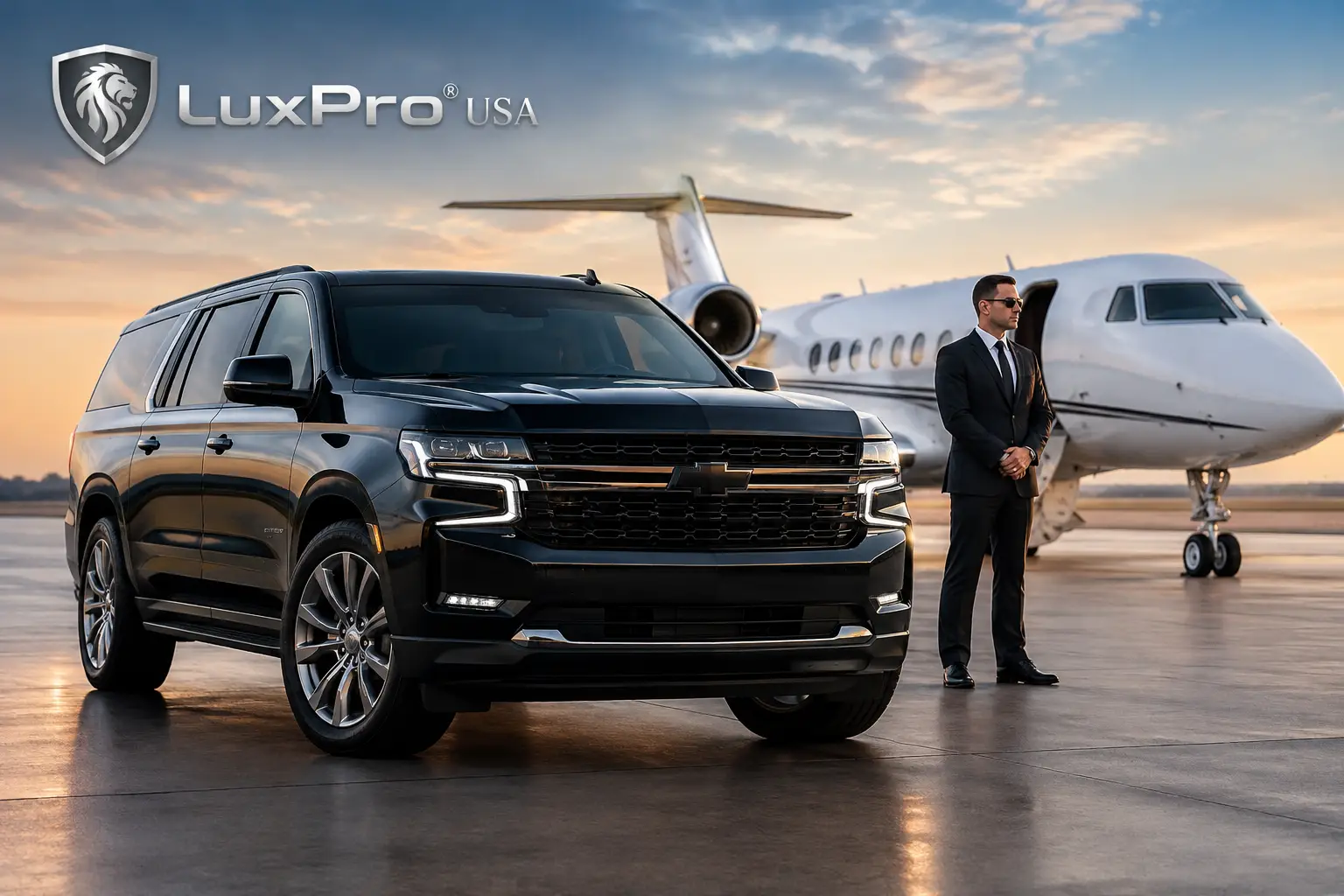
A public arrival, a high-profile meeting, and a late-night airport departure can each present a different security picture. Armored vehicles give executives, families, and VIPs a private layer of protection while preserving the composed, polished travel experience they expect. The right vehicle should never feel like a compromise between safety and comfort. It should feel like a professionally coordinated extension of your day.
For clients whose visibility, work, or personal circumstances require elevated planning, secure transportation is not about making a statement. It is about reducing uncertainty. A properly selected armored vehicle, operated by an experienced professional, supports confident movement through complex environments without disrupting schedules, privacy, or hospitality standards.
What Armored Vehicles Are Designed to Do
An armored vehicle is a purpose-built or specially modified automobile designed to offer increased protection from specified ballistic, forced-entry, and security threats. The protection is created through a combination of reinforced materials, ballistic-resistant glass, run-flat tire systems, protected fuel tanks, and other security-focused engineering.
The level of protection varies considerably. A vehicle intended for low-profile executive travel may be configured differently from one needed for an exposed principal, diplomatic movement, or travel through a higher-risk area. The objective is not simply to choose the heaviest vehicle available. It is to match the vehicle, route, driver, and security support to the client’s actual risk profile.
That distinction matters. Excessive protection can add weight, affect ride quality, reduce interior space, and draw unwanted attention. Too little protection can leave critical gaps. A thoughtful travel plan finds the appropriate balance.
Protection Should Remain Discreet
The most effective secure travel arrangements do not announce themselves. Many clients prefer armored SUVs and sedans that retain the refined appearance, quiet cabin, and executive amenities of premium transportation. From the outside, the vehicle should often blend naturally into the setting, whether that means a corporate campus in Los Angeles, a private residence in Calabasas, an airport FBO, or an evening event in Malibu.
Discretion also extends beyond the vehicle. A professional secure transportation experience requires confidentiality in scheduling, careful handling of pickup information, controlled communication, and personnel who understand the importance of remaining unobtrusive. The vehicle is one component of a larger protective posture.
For entertainment professionals, corporate leaders, and high-net-worth families, low visibility can be as valuable as physical reinforcement. A secure itinerary should avoid unnecessary exposure while still feeling effortless to the principal and their guests.
How to Select the Right Level of Protection
The best choice begins with a practical conversation about travel circumstances, not a generic vehicle request. A client traveling between private meetings in familiar areas may need a very different arrangement than someone managing an active concern, a contentious business matter, media attention, or unfamiliar travel conditions.
Consider the itinerary, not just the destination
Risk changes throughout a day. A transfer from a private terminal to a hotel has different considerations than a public event arrival, a multi-stop family schedule, or ground transportation following an overseas flight. Departure times, dwell time at curbsides, parking access, route options, and the predictability of each stop all influence planning.
A secure transportation provider should be able to review these details quietly and recommend an approach that suits the schedule. In some cases, an armored vehicle is appropriate for the entire itinerary. In others, it may be reserved for a specific segment where privacy or exposure is greatest.
Match vehicle capacity to the people traveling
Security planning must not overlook the practical needs of the party. An executive traveling alone may prefer a discreet armored sedan. A family, executive team, or protective detail may require a full-size armored SUV with generous passenger and luggage capacity.
Comfort is part of the decision. Long transfers, airport waits, and multi-hour as-directed service call for a well-appointed interior, climate control, charging capability, and enough room to work or decompress. The ideal vehicle protects occupants without making travel feel confined or overly operational.
Ask about the entire operating standard
A fortified vehicle alone does not create a secure experience. The chauffeur or security professional behind the wheel must have appropriate training, strong situational awareness, and the judgment to adapt without creating unnecessary alarm. They should understand defensive driving principles, privacy protocols, route discipline, and professional client service.
It is also reasonable to ask how vehicles are maintained, how communications are managed, and what support is available if travel plans shift. Security-focused travel depends on preparation, but it also depends on calm, capable adjustment when an itinerary changes.
The Difference Between a Chauffeur and Executive Protection
Luxury chauffeured service and executive protection can work together, but they are not interchangeable. A professional chauffeur prioritizes safe, polished, punctual transportation. An executive protection specialist provides a broader layer of protective awareness and may coordinate advance work, venue considerations, access points, movement timing, and response procedures.
For many private clients, a highly trained secure chauffeur in an armored vehicle is the appropriate solution. For elevated circumstances, a dedicated protection detail may be advisable. This can include one or more specialists traveling with the principal, coordinating directly with household staff, corporate teams, event organizers, or estate security.
The appropriate level of support depends on the client’s public profile, the nature of the trip, current concerns, and the environment. More personnel is not automatically better. An oversized detail may disrupt a private family outing or executive dinner, while insufficient coverage may not provide the confidence a situation requires. Effective protection is measured, tailored, and respectful of the client’s lifestyle.
Why Coordination Matters More Than Vehicle Features
Ballistic materials and reinforced construction matter, but secure travel is ultimately a coordination exercise. A well-executed trip accounts for timing, access, contingency routes, driver briefings, passenger preferences, luggage requirements, and communication with the people who need to know.
This is especially valuable when a client’s day crosses multiple service needs. A private airport arrival may be followed by an executive meeting, estate arrival, dinner reservation, and later departure. Working with separate transportation, concierge, and security vendors can create gaps in communication. A coordinated provider can align the moving parts while preserving a single point of contact.
LuxPro® USA approaches these arrangements with white-glove hospitality and a security-minded standard, pairing private ground transportation with the discretion and planning expected by discerning clients. The experience should remain personal, composed, and responsive from the first itinerary discussion through final drop-off.
Common Misconceptions About Armored Travel
One misconception is that armored transportation is only for celebrities, heads of state, or crisis situations. In reality, clients use it for many reasons: heightened privacy, a recent concern, family security, valuable business travel, or the simple preference for an additional margin of protection.
Another misconception is that all armored vehicles offer the same protection. They do not. Materials, glass thickness, coverage areas, engineering quality, and certification standards can differ significantly. A credible provider should be able to speak clearly about what a specific vehicle is designed to withstand without making exaggerated promises.
There is also a belief that secure travel must feel conspicuous or uncomfortable. Premium armored vehicles can be exceptionally refined, though added protection naturally involves trade-offs in weight, handling, and sometimes available cabin space. The goal is to choose a configuration that supports the mission while maintaining the standard of travel the client expects.
A Better Way to Plan Secure Transportation
The strongest arrangements begin early enough to allow for thoughtful details. Share the general itinerary, number of passengers, luggage needs, preferred vehicle style, and any concerns that may affect the route or arrival process. There is no need to disclose more than is necessary, but relevant context helps a trusted provider tailor the right service level.
Clients should also communicate preferences that shape the experience: a quiet cabin for calls, a specific pickup protocol, child seating needs, privacy from photographers, or coordination with a household manager or executive assistant. These details are not minor. They are what separate transportation from a genuinely personalized travel operation.
Secure mobility should feel calm rather than restrictive. When the right armored vehicle, professional driver, and support structure are in place, clients can focus on the meeting, the family occasion, or the journey ahead with greater confidence and less distraction.