

A high-profile event can be impeccably designed and still feel exposed if arrivals are disorganized, access is unclear, or an unwanted guest reaches a principal. Executive security for events is not about making a private dinner, corporate gathering, or red-carpet occasion feel restrictive. It is about creating the controlled, welcoming environment that allows hosts and guests to focus on the occasion rather than the risk around it.
For executives, entertainment professionals, high-net-worth families, and corporate teams, protection must be as polished as the event itself. The best security presence is measured, attentive, and nearly invisible to invited guests. It anticipates pressure points before they become disruptions, while protecting privacy, schedules, and reputation.
Why Executive Security for Events Requires More Than a Guard
Event protection is a coordination discipline. A professional detail must understand who is attending, how they are arriving, where they will enter, which areas are private, and how a departure can remain discreet. That level of planning is very different from placing a single guard at a door.
The security approach should match the setting and the profile of the people involved. A board meeting at a Los Angeles hotel may call for low-visibility access control and secure executive transportation. A Malibu estate reception may require perimeter awareness, guest-list verification, driveway management, and close coordination with household staff. A product launch or awards event may need a larger footprint because media, vendors, spectators, and public-facing entrances create more variables.
Visible security can be appropriate when deterrence is a priority. In other cases, a conspicuous presence can undermine the intended atmosphere or draw attention to a principal who values discretion. The right choice depends on the venue, guest profile, known concerns, public interest, and event purpose. A strong provider explains those trade-offs plainly instead of applying the same template to every occasion.
Begin With the Guest Experience and the Risk Picture
The most effective plans begin well before the first vehicle pulls up. A pre-event assessment establishes the practical realities of the venue: entrances and exits, lighting, parking, traffic flow, service corridors, nearby public access, emergency routes, and locations where guests may gather unexpectedly.
It also identifies the human side of the event. Who requires close protection? Will any guests have heightened privacy needs? Are there former employees, media interest, protest concerns, family sensitivities, or confidential business discussions to consider? These questions are not designed to make an event feel alarming. They allow the security team to build proportionate safeguards around real circumstances.
A clear event brief should cover the principal’s itinerary, approved guest list, vendor arrival windows, key contacts, communication procedures, and escalation authority. When a decision needs to be made quickly, the team should know who can approve a route change, deny entry, pause arrivals, or contact emergency services. Uncertainty at that moment is where small problems become public ones.
Discreet Access Control Protects Privacy
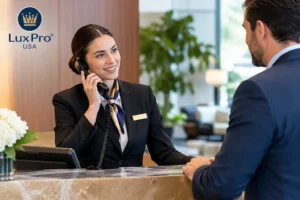
Access control is often the most valuable element of executive event protection. It protects against uninvited guests, but it also preserves the tone of a private occasion. The goal is not an intimidating checkpoint. It is a professional, hospitable arrival experience where credentials and guest names are confirmed without friction.
For an intimate event, that may mean a refined guest-list process at one controlled entrance. For a larger gathering, it may involve credential categories for attendees, staff, talent, vendors, media, and drivers. Private rooms, executive suites, green rooms, and backstage areas should have their own access rules rather than relying on a general event credential.
Security personnel should be briefed on the names and roles that matter, as well as the social expectations of the event. An experienced professional can turn away an unapproved visitor firmly and respectfully, without creating a scene at the front door. That ability protects the host’s reputation as much as the guest list itself.
Protect the Movement, Not Just the Venue
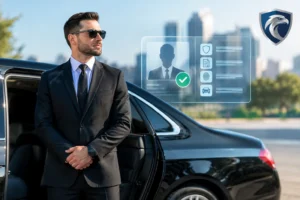
A venue can be secure while a principal’s arrival or departure remains unnecessarily exposed. Executive travel is part of the event security plan, particularly when schedules are tight or visibility is high. Vehicle staging, chauffeur communication, pickup timing, and a designated secure entrance help maintain control from curb to venue and back again.
This is where a coordinated concierge model carries real value. Rather than asking a chauffeur, venue manager, and separate security provider to exchange information in real time, the services can operate from a unified itinerary. LuxPro® USA can coordinate executive protection with private ground transportation, including discreet vehicle staging and professionally managed arrivals for corporate functions, private celebrations, and VIP engagements.
Departure deserves the same attention as arrival. Events often end with guests leaving at different times, lower lighting, fatigued staff, and a relaxed sense that the work is over. A planned departure sequence reduces congestion, prevents the principal from waiting in public view, and gives the team a clear response if circumstances outside the venue change.
What a Professional Event Detail Should Coordinate
The scope of executive security for events varies, but a well-designed detail typically coordinates several connected responsibilities:
- Advance review of the venue, routes, entrances, parking, and emergency access.
- Guest-list management, credentials, private-area access, and discreet entry screening.
- Close protection for designated principals and attentive perimeter awareness.
- Secure vehicle staging, chauffeur coordination, and managed arrivals and departures.
- Communication with venue leadership, event planners, household staff, and approved emergency contacts.
Not every event needs every measure. A confidential executive dinner may need only a small, exceptionally polished team. A large-scale gala, political appearance, celebrity event, or high-value corporate gathering may require layered coverage across public and private spaces. The standard should be thoughtful coverage, not unnecessary personnel.
The People Behind the Detail Matter Most
Credentials and equipment matter, but the quality of personnel determines how an event feels. Security professionals working around executives and private families need sound judgment, calm communication, situational awareness, and a hospitality mindset. They must be capable of responding decisively while remaining respectful to guests, assistants, drivers, and venue staff.
Vetting is equally essential. Clients should expect professionals who are carefully screened, appropriately trained, and selected for the specific assignment. A detail supporting a family celebration calls for a different interpersonal style than a detail managing an executive summit or a public-facing entertainment event. Both require discretion. Each requires its own balance of presence, protocol, and communication.
The best security teams also know when not to intervene. A guest who is simply confused, a late vendor, or a scheduling change does not always require a heavy-handed response. Professional judgment keeps routine issues routine and reserves escalation for genuine concerns.
Plan for Disruption Without Letting It Define the Event
Every event should have a practical contingency plan. Severe weather, a vehicle delay, an unapproved guest, a medical issue, a protest nearby, or a sudden change to the principal’s schedule can affect operations. The response does not need to be elaborate, but it should be known by the right people before guests arrive.
Communication is central. A detail needs reliable, private channels for its team and clear points of contact with the event lead. At the same time, security communication should not overwhelm the host with routine updates. The team should handle what it can independently and elevate only decisions that require client direction.
For events involving confidential business discussions, privacy requires another level of attention. Security planning should account for private meeting areas, controlled access to documents or materials, vendor movement, and appropriate handling of photography and recording. Protection is not only physical. It also helps safeguard the information and relationships that brought people together.
A Security Plan Should Feel Like White-Glove Service
Executive event security succeeds when guests remember the welcome, the service, and the occasion – not the security operation. That requires advance planning, exceptional personnel, and coordination across every point where people, vehicles, and private spaces intersect.
Whether hosting a confidential meeting in Thousand Oaks, a private celebration in Calabasas, or a high-visibility event in Los Angeles, the right detail gives the host something more valuable than a visible guard presence: the confidence to be fully present. Choose a team that understands protection and hospitality as one standard of care.