

A private board meeting can become a public problem in minutes. One unsecured entry point, one unvetted vendor, one visible executive arrival, or one attendee posting real-time location details can change the tone of an event fast. That is why meetings and events security is not a finishing touch for high-level gatherings. It is part of the experience, part of the brand standard, and often part of the risk management strategy from the first planning call.
For executive teams, private families, corporate hosts, and entertainment clients, security has to do more than protect the room. It has to protect timing, privacy, movement, reputation, and guest confidence. The best event environments feel calm and effortless on the surface because the planning behind them is disciplined.
What meetings and events security really covers
Many people hear the term and think about guards at doors or a guest list on a clipboard. That is only one layer. Effective meetings and events security starts much earlier, with a clear understanding of who is attending, what level of visibility the event carries, how guests are arriving, and where vulnerabilities may appear.
A closed-door executive retreat has a different profile than a product launch, wedding weekend, investor dinner, or celebrity-attended celebration. Some events need discreet protection that blends into hospitality. Others require a visible security presence to control access and deter unwanted attention. The right approach depends on the audience, venue, schedule, and public exposure.
High-level events usually involve multiple moving parts at once. Guest arrivals, VIP transportation, service vendors, personal staff, media interest, parking flow, credentialing, bag checks, private entrances, back-of-house access, and post-event departures all create touchpoints where details matter. If those pieces are not coordinated under one plan, gaps appear.
Why luxury events need a different standard
At the luxury level, guests do not separate service from security. They experience them together. If screening feels chaotic, if transportation is delayed, if private access is poorly handled, or if event staff do not know who should be where, the event no longer feels exclusive. It feels exposed.
That is why upscale events require a security strategy that supports the guest experience rather than interrupting it. A visible show of force may be appropriate in some situations, but many premium clients want something more refined – a controlled environment, discreet personnel, polished communication, and a team that understands hospitality as well as protection.
This is especially true for executive gatherings, high-net-worth family events, estate-hosted functions, and entertainment-industry occasions where privacy is part of the value. In those settings, the goal is not just to prevent a problem. It is to preserve the atmosphere.
The planning phase is where security succeeds or fails
Strong event security is rarely about improvising on the day of the event. It is about preparation. Before guests arrive, planners should know the venue layout, emergency exits, staff access points, parking setup, high-profile attendee list, event schedule, transportation routes, and any known sensitivities.
That planning should also include who needs advance clearance, how credentials will be managed, and where secure transitions will happen. A VIP entering through the front drive may be fine for one event and entirely wrong for another. Public-facing arrivals can create prestige, but they can also create unnecessary exposure.
Security planning also needs to account for soft risks that people underestimate. Social media leaks, schedule visibility, name signage, casual conversations among vendors, and poorly managed guest check-in can all compromise privacy. For some hosts, these are bigger concerns than physical disruption.
Venue control matters more than most hosts expect
A beautiful venue is not automatically a secure venue. Architectural appeal, ocean views, and open indoor-outdoor flow can create logistical issues if access control is weak. Private estates, luxury hotels, conference venues, and waterfront properties all bring different strengths and constraints.
A proper assessment looks at more than aesthetics. It considers perimeter control, blind spots, service entrances, valet operations, elevator access, loading zones, and where guests could unintentionally cross paths with vendors, media, or the public. It also considers how quickly the site can respond if a medical issue, protest activity, gate failure, or unauthorized arrival occurs.
Some venues are ideal for intimacy but difficult for secure circulation. Others are easy to lock down but feel too restrictive for a premium guest experience. The answer is not always choosing the most secure-looking property. Often it is choosing the venue that can be managed intelligently for the event type.
Transportation is part of meetings and events security
One of the most overlooked security gaps at private and corporate events is movement between locations. If a host spends heavily on venue security but leaves airport pickups, hotel departures, and executive transfers loosely managed, the plan is incomplete.
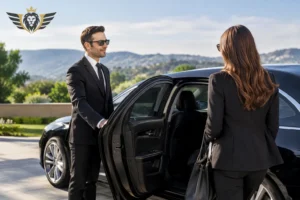
Transportation affects visibility, timing, and personal safety. High-profile guests are often most exposed during arrival and departure windows, especially when schedules are predictable. Professional chauffeurs, secure routing, staged vehicle positioning, and direct communication between transportation and on-site teams can reduce that exposure significantly.
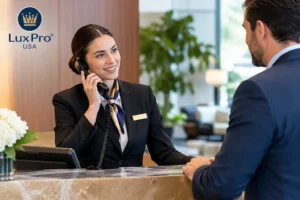
This is where a coordinated concierge and security model becomes valuable. Instead of treating vehicles, guest handling, and protective services as separate vendors, the experience works better when those details are synchronized. For clients managing executive travel, investor events, or private celebrations across Southern California, that coordination can mean fewer delays, fewer handoff errors, and greater discretion from start to finish.
Staff screening and vendor control are non-negotiable
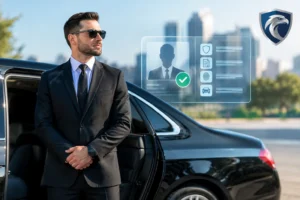
Hosts tend to focus on guests, but every event is also filled with people behind the scenes. Catering crews, florists, AV teams, decorators, photographers, drivers, venue staff, and temporary labor all need some level of oversight. If vendor management is loose, the event can feel polished while remaining surprisingly vulnerable.
Not every event requires intensive credentialing, but every event benefits from clarity. Who has access to private areas? Who can approach principals directly? Who is allowed on-site before guest arrival? Which staff members know the event timeline and which only know their service window? Those distinctions matter.
For premium events, discretion should be treated as part of qualification, not as a courtesy request. The right personnel understand confidentiality, appearance standards, communication protocol, and the importance of staying composed under pressure.
Visible security or discreet protection?
This depends on the client, the guest mix, and the event profile. A corporate conference with known access concerns may benefit from a more visible presence. A private dinner, estate event, or executive off-site may call for protection that blends into the background.
Neither option is automatically better. Visible teams can reassure attendees and discourage disruption. Discreet teams preserve elegance and reduce the sense that guests are being watched. The best choice is the one that aligns with the event’s purpose and risk level.
Experienced planners know that over-securing can be as awkward as under-securing. If protection feels theatrical, it can shift attention away from the event itself. If it feels too light, the host may be left reacting instead of leading.
Communication is the quiet force behind a secure event
Even well-staffed events can struggle if communication is fragmented. Security, transportation, venue contacts, executive assistants, and event coordinators should not be operating from different assumptions. Timing changes, guest list updates, route adjustments, and issue escalation all need a clear chain of communication.
The strongest teams keep this structure tight and quiet. Guests should not feel the internal mechanics. They should simply notice that arrivals are smooth, staff are informed, private areas stay private, and any changes are handled without confusion.
That standard is particularly important for clients who expect white-glove service. Luxury is not only about appearance. It is about control, anticipation, and consistency.
Meetings and events security protects more than people
Yes, the first job is safety. But meetings and events security also protects confidentiality, brand reputation, host credibility, and the emotional tone of the occasion. A leadership summit can lose value if private discussions are exposed. A family celebration can lose intimacy if access is poorly managed. A corporate event can lose authority if logistics appear disorganized.
When security is planned well, it supports every other investment around it. The venue feels more exclusive. Transportation feels more polished. Guest service feels more intentional. The event runs with the kind of confidence that sophisticated hosts expect.
For clients who value privacy, punctuality, and elevated execution, security is not a separate category from hospitality. It is part of what makes the experience worthy of the people in the room.
The smartest hosts do not wait for a reason to take event security seriously. They build it into the plan from the start, so guests can focus on the meeting, the celebration, or the opportunity in front of them.