

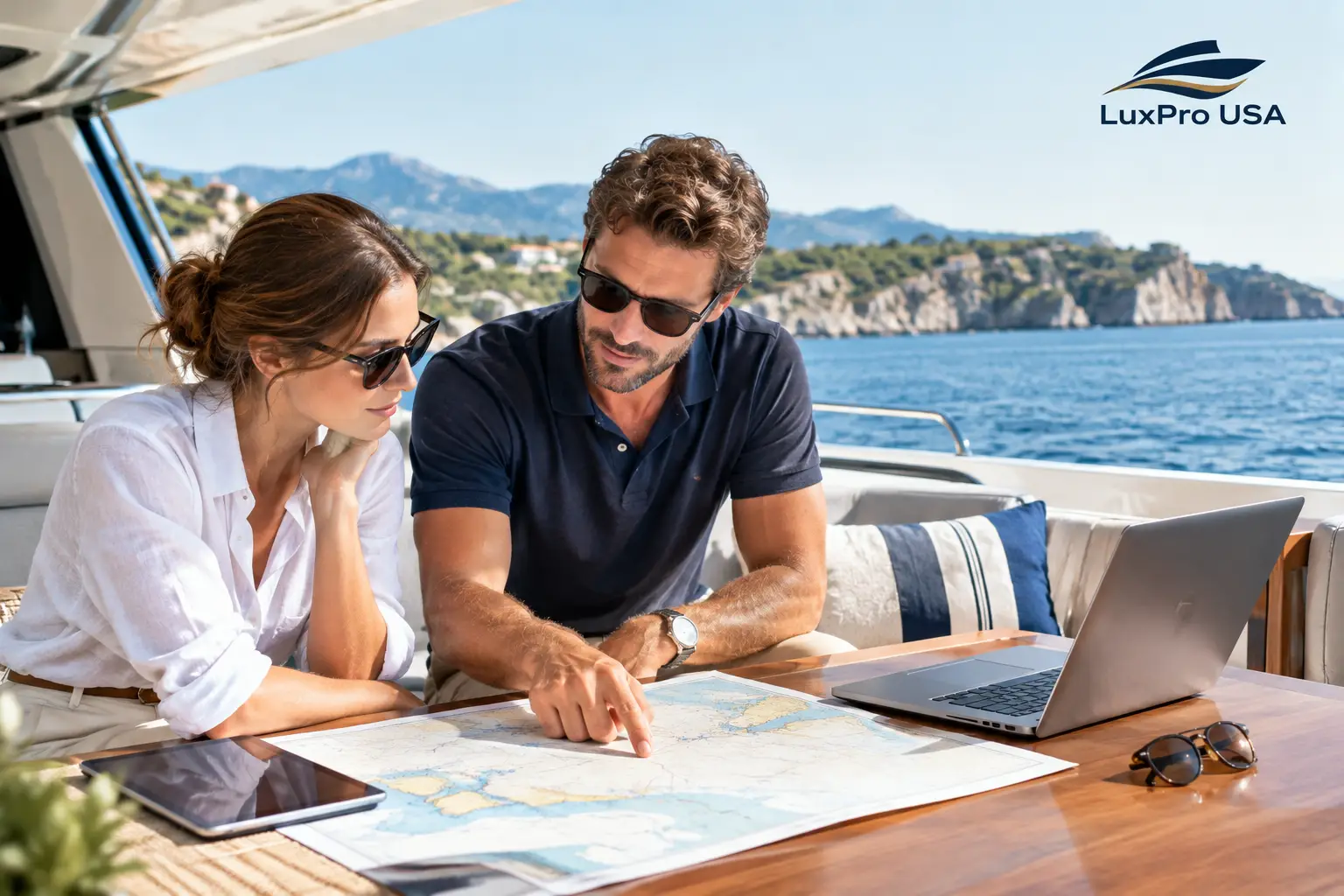
A yacht charter can look effortless from the deck, but that polished experience is created long before guests step aboard. Knowing how to coordinate a private yacht itinerary means balancing the places guests want to see with the realities of marina availability, cruising time, weather, crew operations, privacy, and the pace of the occasion. The right itinerary does not try to fit in everything. It gives every moment enough room to feel exceptional.
For a weekend in Malibu, a corporate retreat departing Marina del Rey, or a multiday escape along the Southern California coast, thoughtful planning turns a yacht from a beautiful setting into a fully personalized experience.
Start With the Purpose of the Charter
The first question is not where to go. It is why the charter is taking place. A family celebration, an executive gathering, a proposal, a wellness-focused getaway, and an entertainment-industry event each require a different rhythm, level of privacy, and onboard setup.
A celebration may call for an anchorage with calm water, a longer dining window, music coordination, and timed arrivals for photographers or additional guests. An executive charter needs dependable departure and return times, comfortable areas for private conversation, connectivity where available, and discreet ground transportation at both ends. For a romantic charter, fewer stops often create a more meaningful experience than a tightly packed route.
Guest count also changes the plan. A group of six can move from lunch to swimming to shore activities with relative ease. A larger group may need more time for boarding, tender transfers, meal service, and coordination with dock personnel. Confirm the final guest list early, including children, older guests, dietary needs, mobility considerations, and anyone requiring heightened privacy or security.
Build the Route Around Time, Not Distance
The most common itinerary mistake is treating a map like a schedule. Two destinations may appear close together, yet the total experience can be affected by harbor traffic, no-wake zones, tender time, fuel planning, docking windows, and conditions at sea.
When coordinating a private yacht itinerary, begin with the non-negotiable points: the departure marina, final return time, fixed reservations, and any event that has a strict start time. Then calculate cruising time generously. A charter should feel unhurried, not like a series of departures announced between courses.
For a day charter, one primary destination and one optional secondary stop is usually sufficient. A sample coastal day might include a relaxed departure, a scenic cruise, an afternoon anchor for swimming and lunch, then a return timed for sunset. Multiday charters allow more range, but they still benefit from flexibility. Guests may decide that a beautiful anchorage is worth an extra night, or changing weather may make a planned harbor less desirable.
A professional plan includes a preferred route and a refined alternative. The backup is not a compromise when it is prepared in advance. It may offer a quieter cove, a more protected marina, or an elevated shoreside experience that keeps the day on track.
Match Every Stop to the Guest Experience
An itinerary should have a point of view. If the goal is peaceful coastal luxury, select sheltered anchorages, unhurried meal service, and water activities that do not require constant logistics. If the goal is energy and celebration, build around a destination with approved docking, dining, and nightlife access.
Consider what each stop actually delivers. Is it ideal for swimming, sightseeing, dining ashore, paddleboarding, or simply watching the coastline from a private deck? A destination can be visually impressive and still be a poor choice for the group if tender access is difficult or the water is uncomfortable for less experienced guests.
Shore excursions deserve the same standard as the yacht itself. Restaurant reservations should account for tender timing and dress expectations. Wine tastings, private tours, spa appointments, golf tee times, and beach club arrangements need confirmed transport and realistic buffers. For clients arriving by private flight or commercial airline, the itinerary should also include secure, punctual airport transfers and a clear handoff to the marina.
This is where an all-in-one VIP concierge partner can make a material difference. LuxPro® USA can coordinate yacht charter logistics alongside chauffeured transportation, executive protection, private aviation, and event support, helping clients avoid the fragmented communication that often comes with separate vendors.
Coordinate With the Captain and Crew Early
The captain is the operational authority on the water. Their knowledge of the vessel, local conditions, ports, safe anchorages, and weather patterns should shape the final route. Share guest priorities before the charter, not while the yacht is preparing to leave the dock.
The crew also needs useful details, not just a schedule. Let them know whether guests prefer a formal plated dinner or a casual lunch on deck, whether champagne should be ready at departure, whether children will be swimming, and whether an onboard celebration requires florals, a cake, entertainment, or special table settings.
Food and beverage planning is particularly personal. Confirm dietary restrictions, allergies, preferred cuisines, favorite labels, and the desired service style. A well-stocked yacht feels considered without becoming excessive. For longer charters, discuss replenishment points and whether guests expect to dine ashore on certain evenings.
If water toys are part of the experience, verify what is included and whether instruction or additional safety support is appropriate. Jet skis, e-foils, paddleboards, snorkeling equipment, and tenders all require time, supervision, and suitable conditions. They should be planned as part of the day rather than introduced as an afterthought.
Plan Privacy, Security, and Arrival Logistics
For high-profile guests, privacy begins at the curb. The arrival sequence should be intentional: private chauffeur access, a discreet marina entry point where possible, timely baggage handling, and minimal waiting on the dock. Names, manifests, and guest communications should be handled with discretion.
Security requirements depend on the client, destination, vessel, and visibility of the occasion. Some charters need only quiet logistical oversight. Others may call for executive protection, coordinated advance work, vetted drivers, secure communications, or controlled guest access. The objective is not to make a luxury outing feel restrictive. It is to protect comfort and privacy so guests can focus on the experience.
For corporate groups, designate one decision-maker who can approve schedule adjustments. For private households, establish a point person who understands the principal’s preferences without requiring the principal to manage details. A concise itinerary shared with the appropriate parties should include departure time, marina location, dress guidance, expected weather, dining plans, and emergency contact procedures.
Leave Room for Weather and Spontaneity
Even the finest yacht itinerary must respect conditions on the water. Wind, swell, fog, heat, and changing marine forecasts can affect route selection, anchoring, and guest comfort. The best plan acknowledges this from the start instead of promising a fixed outcome that may not be safe or enjoyable.
Build flexibility into the schedule. Avoid placing an inflexible reservation immediately after a long cruise. Give guests the option to extend an exceptional moment, whether that means another swim, a slower lunch, or an earlier return to the marina. On a private yacht, freedom is part of the luxury.
It also helps to set expectations clearly. Guests should know if a planned destination requires a tender ride, if footwear is needed for shore, or if the ocean portion of the route may be more active than a harbor cruise. Clear, refined communication prevents small surprises from interrupting an otherwise flawless day.
Create an Itinerary That Feels Personal
The most memorable charters are not defined by the number of destinations reached. They are defined by details that feel naturally chosen for the guests: a preferred vintage chilled and ready, a quiet route for an executive conversation, a perfectly timed coastal sunset, or a trusted chauffeur waiting when the yacht returns to the dock.
Plan with precision, then allow the day to breathe. That is how a private yacht itinerary becomes more than transportation on the water – it becomes time that guests will want to repeat.