

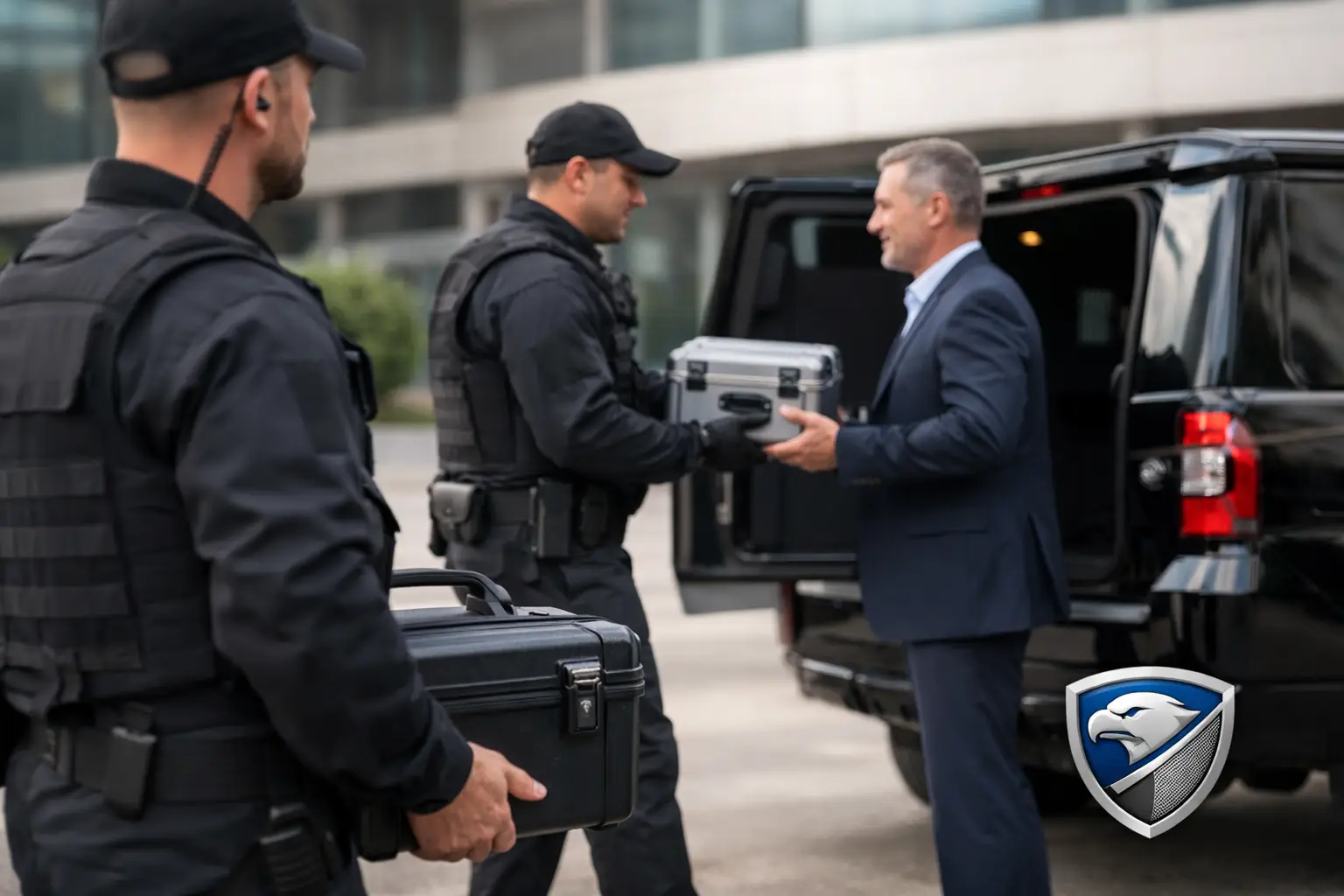
A signed contract needed before a closing. A passport required for an international departure. A confidential prototype expected by a production team before the day ends. These are the moments when clients ask why use secure courier services rather than placing an irreplaceable item in the standard delivery stream.
The answer is not simply speed. It is control. A secure courier provides accountable, professional movement from the moment an item is collected until it reaches an authorized recipient. For executives, estate managers, legal teams, entertainment professionals, and private households, that control protects more than an envelope or package. It protects schedules, privacy, reputation, and peace of mind.
Why Use Secure Courier Services When the Stakes Are High
Conventional shipping is designed for volume. Packages may pass through multiple facilities, automated sorting systems, vehicles, and handlers before delivery. That model works well for routine commerce. It is less appropriate when an item is confidential, unusually valuable, time-sensitive, or difficult to replace.
A secure courier service is designed around a different standard: direct accountability. The shipment receives a planned handoff, a defined route, and a professional assigned to its care. Depending on the assignment, delivery can be same-day, expedited, after-hours, or coordinated with a specific recipient and security protocol.
For a corporate office, the risk may be a board packet, legal filing, device, or original document arriving late or in the wrong hands. For an estate, it may be fine jewelry, a key set, medication, luxury goods, or private correspondence. For a film production, hospitality group, or event team, a missed delivery can stall an entire schedule. The value of secure courier service is often measured in the disruption it prevents.
Security Is a Process, Not a Label
The word “secure” should mean more than a vehicle with a careful driver. A credible service applies security throughout the assignment, from booking through final confirmation.
First, there is controlled collection. The courier should confirm where the item is being collected, who is authorized to release it, and any special handling requirements. Sensitive deliveries should not be left at an unattended reception desk, handed to an unfamiliar third party, or accepted without clear documentation.
Then comes chain of custody. At every transfer point, there should be a clear record of who had possession, when it changed hands, and how delivery was confirmed. For many clients, this is as valuable as the transport itself. It provides a defensible account should a question arise later.
Professional screening and discretion matter just as much. A secure courier may carry information about a client’s business, home, travel plans, or valuables. The personnel involved should understand confidentiality, professional conduct, and the importance of limiting unnecessary exposure. Details do not need to become public simply because a delivery is being arranged.
Finally, secure delivery requires recipient verification. The preferred method depends on the item and the setting. It may involve a signature, identification check, named-recipient instruction, prearranged code, or direct hand delivery. Leaving a high-priority package at a door, mailroom, or front desk is not equivalent to completing a secure assignment.
The Deliveries That Deserve a Higher Standard
Not every package needs a dedicated courier. Using one for ordinary, low-value items may add cost without a meaningful benefit. The decision changes when the shipment has a narrow delivery window, serious privacy implications, or a replacement cost that is far greater than the delivery fee.
Secure courier services are particularly appropriate for original legal and financial documents, confidential records, sensitive electronics, medical items, high-value purchases, event materials, and personal effects needed during executive travel. They also make sense for items that require an exact handoff, such as keys for a residence or vehicle, credentials for a restricted event, or a forgotten essential delivered to an airport or hotel.
The need can arise unexpectedly. An executive may be in Los Angeles while critical documents remain at a Westlake Village residence. A family office may need a private purchase delivered to a client residence without public attention. A corporate travel planner may need a device or presentation material transported after business hours. In each case, the service must be able to adapt without treating urgency as an excuse for shortcuts.
What to Expect From a Secure Courier Provider
The quality difference is usually visible before the courier ever arrives. A professional provider asks the right questions: What is being transported? Who may release it? Who may receive it? What is the deadline? Are there handling, confidentiality, or access instructions? Is there a backup contact if the recipient becomes unavailable?
The provider should also be candid about what can and cannot be accommodated. Some items require special licensing, temperature control, insurance arrangements, security support, or restrictions based on local, state, or federal law. A trustworthy courier will not make vague promises to win the booking. They will establish a delivery plan that matches the actual risk and timing.
Look for real-time communication that is useful rather than excessive. A client should know when collection is complete, whether the delivery is progressing as planned, and when the authorized recipient has accepted the item. For a particularly sensitive assignment, updates may be limited to designated contacts to preserve confidentiality.
Vehicle selection also depends on the mission. A discreet luxury sedan may suit a confidential document run. A larger vehicle may be necessary for event materials or fragile equipment. High-value goods or elevated-risk circumstances may call for additional protective measures. The right approach is personalized, not standardized.
LuxPro® USA approaches high-priority courier assignments with the same white-glove expectations applied to executive transportation, private lifestyle logistics, and security-focused services: vetted personnel, discreet coordination, and a clear focus on the client’s instructions.
Secure Courier Service Versus Standard Shipping
Standard shipping and secure courier service serve different purposes, and neither is automatically better. A national carrier can be efficient and cost-effective when timing is flexible, the item is replaceable, and multiple handling points are acceptable. It may also offer broad geographic reach for routine business needs.
A dedicated courier becomes the stronger choice when direct handling and certainty carry a premium. Rather than entering a broad network, the item follows a controlled plan. Instead of estimating arrival within a window, the client can arrange delivery to a known person at a defined time. Instead of relying on generic scans, the client receives assignment-specific communication and confirmation.
That higher standard generally costs more. It may also require more information from the sender, including recipient details and precise instructions. For clients accustomed to privacy, that can feel counterintuitive. Yet providing essential information to a vetted, accountable team is what enables a delivery to be protected rather than merely dispatched.
Planning a Delivery Without Creating New Risk
A few decisions made at the booking stage can materially improve the outcome. Identify the item accurately enough for the courier to plan proper handling, but do not place unnecessary sensitive details on exterior packaging. Confirm the authorized sender and recipient, specify the final handoff method, and share a reliable contact who can resolve access issues immediately.
If the delivery is tied to a flight, meeting, event, escrow, or medical appointment, build in a reasonable contingency window. Even the best courier cannot control every traffic condition, venue restriction, or recipient delay. What a professional team can do is monitor the assignment, communicate early, and adjust the plan with discretion.
For recurring needs, consistency is valuable. Working with one trusted concierge and transportation partner can reduce repetitive explanations and make it easier to coordinate a courier with executive travel, security, personal shopping, or estate support when circumstances require more than a single delivery.
When an item carries consequences beyond its physical value, treat its movement as part of the larger operation. A carefully planned secure courier assignment gives the right people confidence that what matters will arrive where it belongs, when it is needed, and in the condition expected.