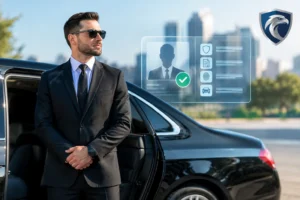


A residence can be architecturally private and still be operationally exposed. A service gate left open during a delivery, an unfamiliar vendor granted access, or a predictable school-run schedule can create vulnerabilities that cameras alone cannot solve. Estate security is the professional discipline of protecting a household, its people, its property, and its routines without making daily life feel restricted.
For estate owners, executives, public figures, and high-net-worth families, the objective is not to turn a home into a fortress. It is to create a calm, controlled environment where family members, guests, staff, and trusted vendors move comfortably while access, information, and risk are carefully managed.
What Estate Security Should Protect
A well-designed security program protects much more than the physical structure. It protects personal privacy, household schedules, confidential conversations, valuable assets, and the ability to enjoy the property without unwanted attention. The strongest programs account for the fact that a security concern may begin off-site, online, or through a seemingly routine household interaction.
This requires a layered approach. Perimeter measures, surveillance, access protocols, trained personnel, and emergency planning should work together rather than operate as separate systems. A gate and camera system can document activity, but it cannot replace the judgment of a skilled professional who recognizes when a situation is out of pattern and knows how to respond discreetly.
The appropriate level of protection depends on the household. A family seeking privacy at a primary residence has different needs than a principal who travels frequently, hosts high-profile gatherings, or maintains multiple properties. The right plan should be proportional to the actual lifestyle, property layout, public profile, and daily traffic of the estate.
Start With a Private Risk Assessment
Security planning should begin with observation, not assumptions. A private assessment examines how the estate is used from morning through night: who arrives, which entrances are used, where staff park, how packages are received, and what happens when the principal is away.
The assessment should also consider less obvious points of exposure. Are household schedules easily predictable? Does a visible side entrance provide a shortcut to the residence? Can a visitor reach private areas after entering through a service gate? Are contractors permitted to come and go without verification? These details often define the difference between a property that appears secure and one that is truly controlled.
A professional review also identifies operational gaps between vendors. For example, the alarm company, gate technician, property manager, chauffeur, and household staff may each handle part of the picture, yet no one may be accountable for the complete security posture. Central coordination eliminates that uncertainty.
Access Control Is a Hospitality Standard
At a luxury estate, access control must feel polished rather than confrontational. Guests should be welcomed with confidence, while unverified visitors should never be allowed to rely on familiarity, urgency, or a convincing story to gain entry.
Clear protocols create this balance. Staff should know who is authorized to approve visitors, how vendors are verified before arrival, where deliveries are received, and which areas remain private. Temporary access for contractors should be limited to a defined purpose and timeframe. Credentials, gate codes, and keys should be reviewed regularly, especially after staffing changes or completed projects.
Technology can add meaningful control when it is selected for the property rather than purchased for appearances. Video intercoms, monitored gates, perimeter sensors, access logs, and integrated camera coverage can provide visibility without creating an intrusive atmosphere. Yet technology is only as effective as the person responsible for monitoring alerts and acting on them. A notification that no one reviews is not a security measure.
Professional Personnel Bring Judgment to the Plan
Visible security is appropriate for some properties and occasions, while others require a low-profile presence. The decision is not simply about budget. It is about how the household wants to live, the level of exposure involved, and the specific risks being managed.
An estate security professional should be selected for more than physical presence. The role calls for discretion, calm communication, situational awareness, and the ability to work respectfully around family members, guests, domestic staff, and service providers. They may be the first person a visitor encounters and the person who recognizes a concern before it develops into an incident.
For many estates, personnel are most effective when integrated into daily operations. They can oversee arrivals and departures, monitor the perimeter, coordinate with household management, conduct property checks, accompany principals when needed, and maintain a clear record of unusual activity. This gives the household one accountable point of contact instead of a collection of disconnected systems.
Protect the Routine, Not Just the Residence
A sophisticated protection plan extends beyond the front gate. Travel routines, school transportation, airport transfers, shopping appointments, and event arrivals can all reveal patterns that deserve consideration. The goal is not to eliminate normal life. It is to avoid making that life unnecessarily predictable or publicly exposed.
Executive protection and secure transportation may become relevant when a principal has elevated visibility, faces a specific concern, or needs privacy while moving between a residence, office, airport, or event. In these circumstances, coordination matters. A chauffeur, security detail, household team, and destination contact should understand the itinerary, arrival process, communication expectations, and contingency plan.
LuxPro® USA coordinates estate-level protection with VIP transportation and concierge support, providing clients with a more unified experience when secure movement and household security need to operate together. For clients in areas such as Malibu, Calabasas, Thousand Oaks, and Los Angeles, this can reduce the burden of managing multiple providers during demanding schedules or high-profile occasions.
Household Staff Are Part of the Security Culture
Most security failures are not dramatic. They are procedural. A staff member may share a gate code with a trusted vendor, accept an unexpected package, post a recognizable location online, or assume someone else verified a guest. These actions are understandable, which is why training must be practical and respectful rather than alarmist.
Every household should establish simple, confidential expectations around visitor verification, package handling, key and code management, social media discretion, and incident reporting. Team members should feel comfortable reporting something unusual, even when they are unsure whether it matters. A culture of professional communication prevents small concerns from being ignored.
Household employees also deserve clarity during emergencies. They should know who makes decisions, where people gather, how to reach security personnel, and what information should not be shared with outsiders. The plan should be reviewed periodically and updated when family routines, staffing, renovations, or travel patterns change.
Estate Security for Events and Travel Periods
An estate may require additional protection during private dinners, charity events, filming, holiday gatherings, or extended travel. More vehicles, vendors, guests, deliveries, and temporary staff create more variables. The answer is not necessarily a large visible detail. It is advance planning.
For an event, security should coordinate guest lists, arrival windows, vehicle access, valet procedures, vendor check-in, restricted areas, and exit plans. A well-run operation preserves the atmosphere of the occasion because guests are never left wondering where to go or who is in charge.
When the household travels, the property should not appear unattended. Scheduled checks, perimeter monitoring, mail and package coordination, lighting review, and communication with trusted estate personnel can help maintain a normal operating appearance. If there is a concern, the response plan should be established before departure, not improvised from another time zone.
The Right Standard Is Confidence, Not Excess
The best estate security is often barely noticed by the people it protects. It anticipates rather than interrupts. It delivers a warm, controlled arrival for invited guests and a firm, professional boundary for everyone else.
A personalized program should evolve with the household, not remain fixed after installation. As travel, staffing, property use, and visibility change, security should be reviewed with the same care given to estate management and personal service. The result is not just a safer residence, but the confidence to enjoy it fully.